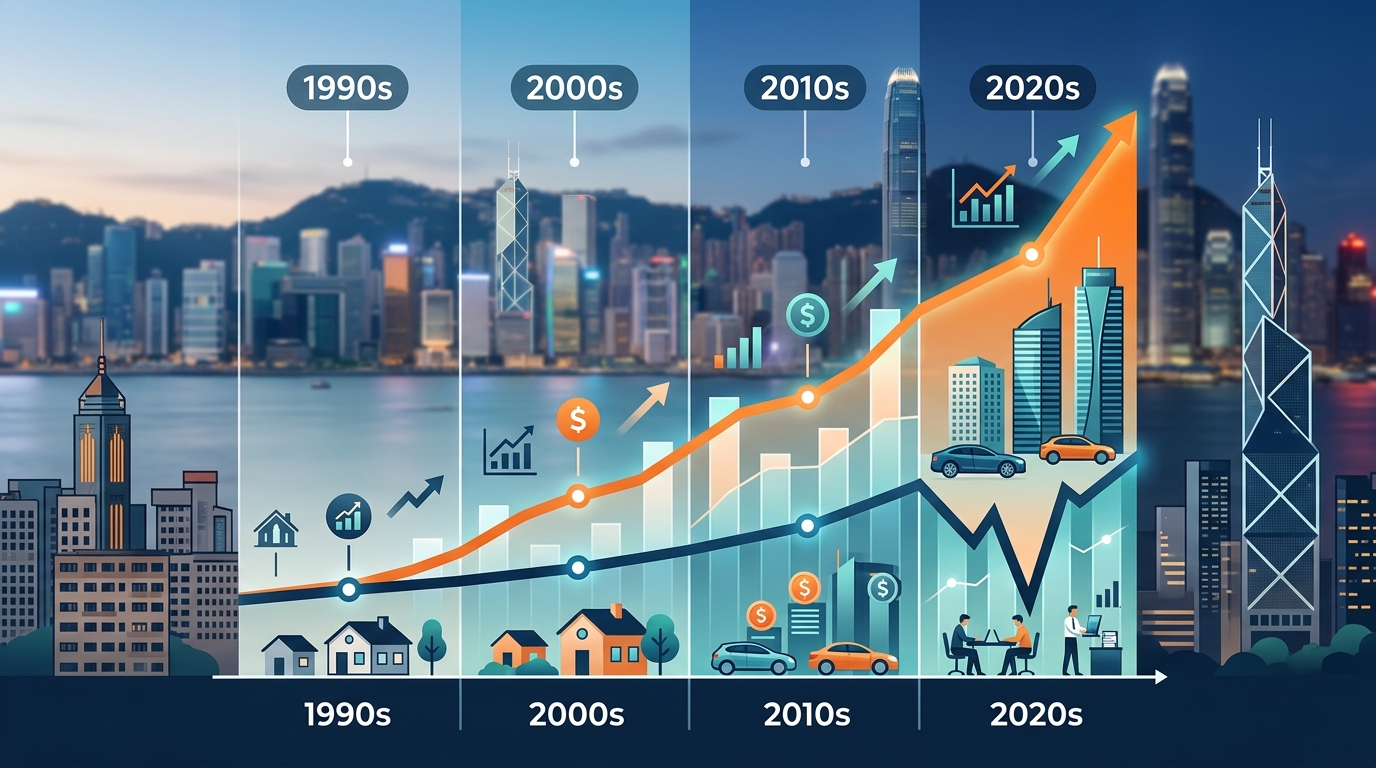
How Income Inequality in Hong Kong Has Evolved Over Three Decades
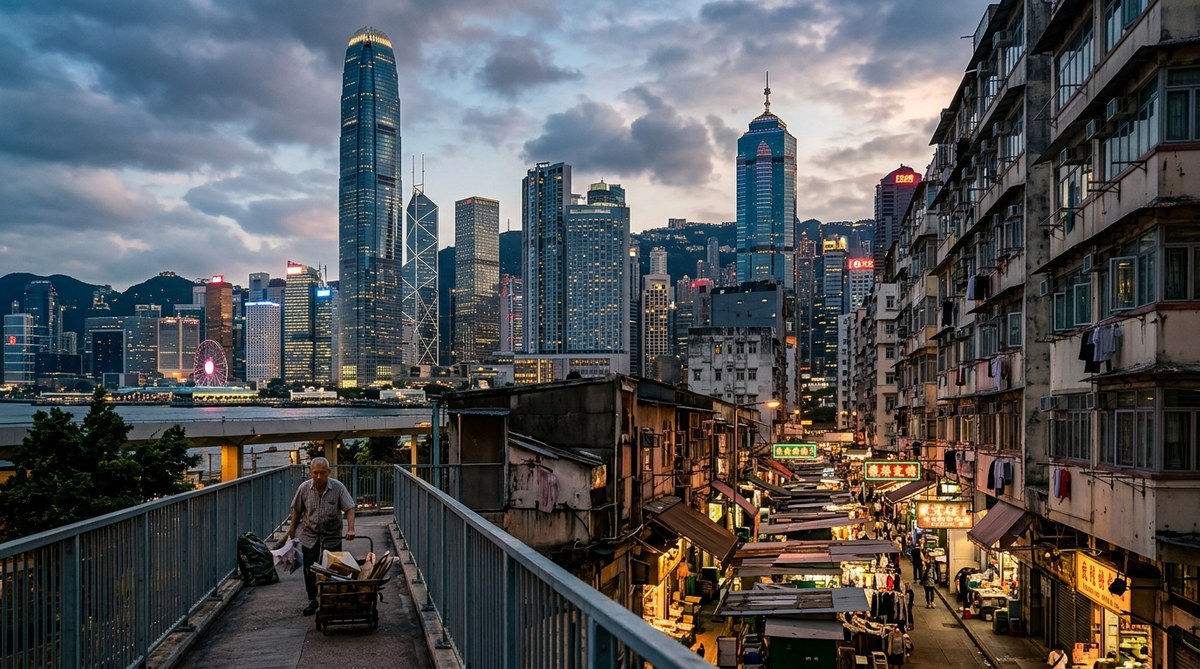
Hong Kong stands as one of the world’s wealthiest cities, yet it also carries one of the widest wealth gaps among developed economies. For over thirty years, the divide between rich and poor has widened, reshaping neighborhoods, opportunities, and everyday life for millions of residents. Understanding how this gap emerged and evolved helps us see not just numbers on a chart, but real stories of families, workers, and communities.
Income inequality in Hong Kong has grown significantly since 1991, driven by economic restructuring, housing costs, and wage stagnation. The Gini coefficient rose from 0.476 in 1991 to over 0.539 by 2016, marking one of the highest levels among developed regions. Policy interventions have had limited success in reversing this trend, though recent measures show modest improvements in targeted areas.
How the wealth gap took shape in the 1990s
The early 1990s marked a turning point for Hong Kong’s economy. Manufacturing jobs moved to mainland China, leaving behind a service-based economy that favored highly educated workers. Factory workers who once earned stable middle-class incomes found themselves competing for lower-paying retail and hospitality positions.
Between 1991 and 2001, the city’s Gini coefficient climbed from 0.476 to 0.525. This jump reflected a labor market splitting into two camps: high earners in finance, real estate, and professional services, and low earners in support roles with little room for advancement.
Property prices also began their long climb during this decade. Homeownership became harder to achieve for working families, pushing more households into public housing or subdivided flats. The wealth you could build through property ownership became a key driver of inequality, separating those who bought early from those priced out forever.
The 2000s brought deeper divides
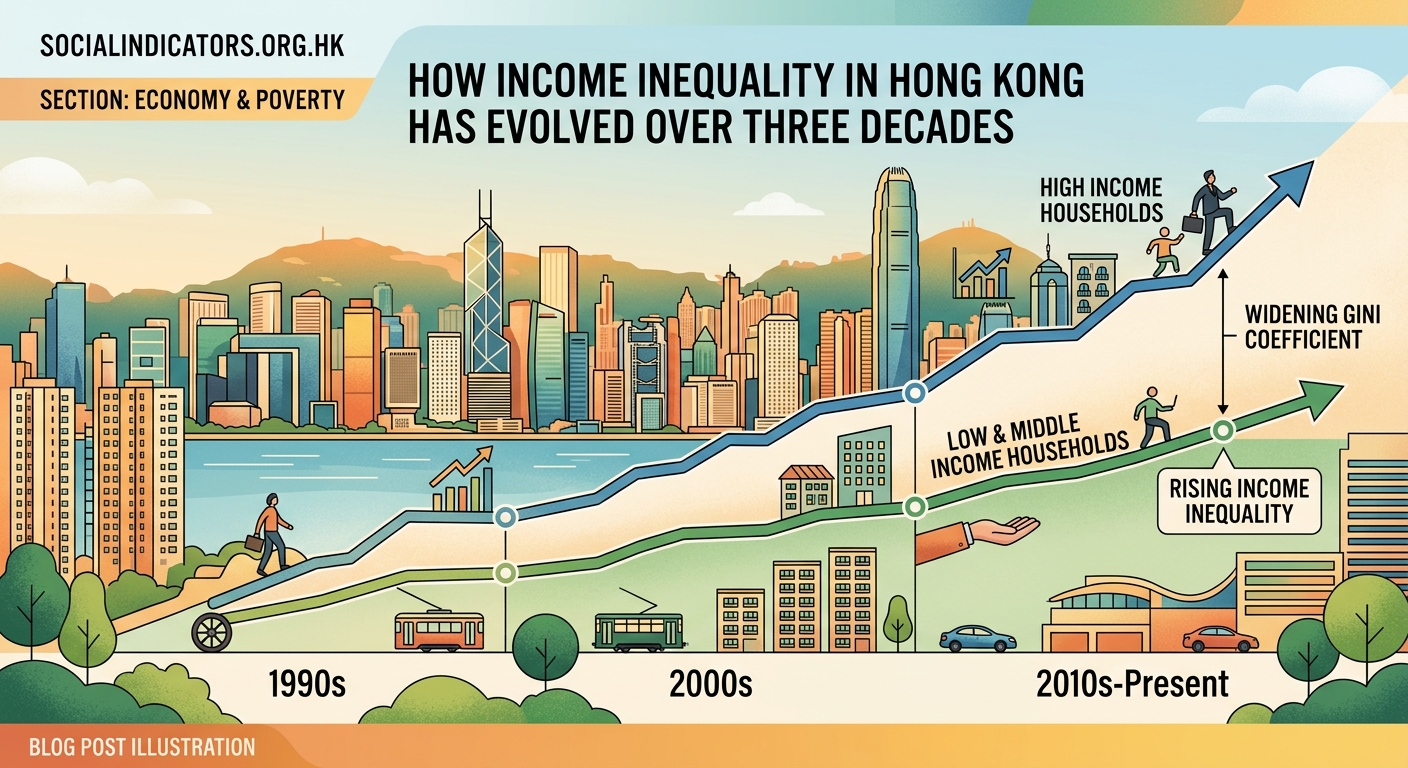
The decade following the handover to China saw economic growth, but the benefits flowed unevenly. Financial services boomed, creating millionaires and billionaires at a rapid pace. At the same time, wages for cleaners, security guards, and food service workers barely kept up with inflation.
By 2011, the Gini coefficient reached 0.537, one of the highest readings among advanced economies. The gap between the top 10% and bottom 10% of earners widened to a ratio of more than 40 to 1 before taxes and transfers.
Three factors drove this trend:
- Globalization rewarded specialized skills and punished routine labor
- Automation reduced demand for middle-skill jobs in clerical and administrative work
- Immigration policies brought in both high-paid expatriates and low-wage domestic helpers, stretching both ends of the income spectrum
Public housing waitlists grew longer. Families waited five years or more for affordable units. Those stuck in the private rental market spent 40% or more of their income on cramped apartments, leaving little for savings or education.
What the data reveals about wealth concentration
Looking at household income distribution paints a stark picture. The table below shows how income shares shifted over three decades:
| Income Group | 1991 Share | 2001 Share | 2016 Share |
|---|---|---|---|
| Bottom 20% | 5.4% | 4.8% | 4.1% |
| Middle 20% | 11.2% | 10.5% | 9.8% |
| Top 20% | 47.3% | 50.1% | 52.7% |
The top fifth of households claimed more than half of all income by 2016, while the bottom fifth saw their share shrink below 5%. Middle-income households also lost ground, squeezed by rising costs and stagnant wages.
Wealth concentration tells an even sharper story. Property ownership, stock portfolios, and business assets cluster heavily among the top 10%. A 2017 study found that the wealthiest 10% of Hong Kong households controlled more than 70% of total net worth.
How housing costs amplified the divide
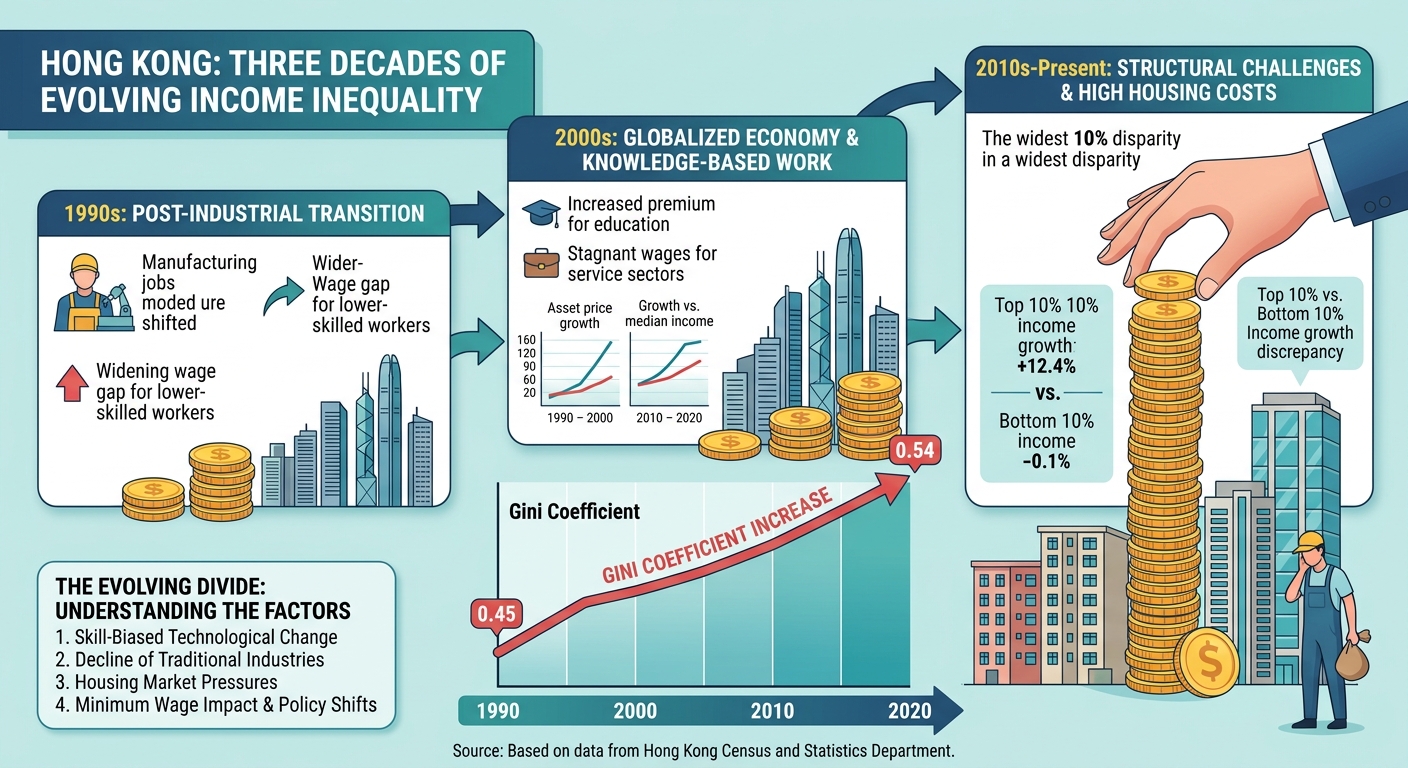
No discussion of income inequality in Hong Kong makes sense without addressing housing. Property prices tripled between 2003 and 2018, far outpacing income growth. A typical middle-class family in 2018 needed to save their entire income for 20 years to afford a median-priced apartment, compared to 12 years in 2003.
This created a two-tier society:
- Homeowners who bought before 2000 saw their net worth multiply
- Renters and late buyers faced permanent affordability challenges
- Young professionals delayed marriage and children due to housing costs
- Elderly renters lived in unsafe subdivided units with no retirement savings
The government’s public housing program helped some families, but supply never matched demand. Private developers controlled land supply and had little incentive to build affordable units. The result was a housing market that functioned as a wealth transfer mechanism from young to old, from poor to rich.
Policy responses and their limited impact
Authorities introduced several measures to address growing inequality, with mixed results. The Minimum Wage Ordinance took effect in 2011, setting a floor for hourly pay. Initial rates started at HK$28 per hour and rose gradually to HK$37.50 by 2019.
These wage floors helped the lowest earners but did little to close the broader gap. Many employers simply capped hours or shifted to part-time contracts. The minimum wage also didn’t apply to domestic helpers, excluding a significant portion of low-wage workers.
Tax policy remained regressive. Hong Kong’s simple tax system with low rates and few brackets meant high earners paid a smaller share of their income than in most developed countries. A top marginal rate of 17% on salaries and a 15% corporate rate created minimal redistribution through the tax system.
Addressing income inequality requires more than minimum wage adjustments. We need structural reforms in housing supply, progressive taxation, and investments in education and retraining for workers displaced by economic shifts.
Social welfare spending increased, particularly for elderly support and disability services. Cash transfer programs like the Old Age Living Allowance provided modest monthly payments to seniors. These helped reduce poverty among the elderly but had little effect on working-age inequality.
Recent trends show stubborn persistence
The most recent data from 2016 to 2021 shows the Gini coefficient hovering around 0.539 before government intervention. After accounting for taxes and transfers, it drops to approximately 0.473, still higher than most OECD countries.
Several factors keep inequality elevated:
- The rise of the gig economy created more precarious work arrangements
- Automation eliminated mid-level jobs in retail and customer service
- Cross-border integration with mainland China increased competition for certain jobs while creating opportunities for others
- Educational attainment gaps widened as wealthy families invested heavily in tutoring and international schools
The COVID-19 pandemic hit low-income workers hardest. Restaurant staff, retail workers, and tourism employees faced layoffs and reduced hours. Professional workers often transitioned to remote work with minimal income disruption. Government relief programs provided temporary support but didn’t address underlying structural issues.
Comparing Hong Kong to regional peers
How does Hong Kong’s inequality compare to other Asian economies? Singapore, often seen as a comparable city-state, maintains a Gini coefficient around 0.45 after transfers, lower than Hong Kong despite similar economic structures. Singapore’s approach includes more aggressive public housing provision, with over 80% of residents living in government-built flats they can purchase at subsidized rates.
South Korea and Taiwan both show lower inequality measures, partly due to stronger manufacturing sectors that provide middle-class jobs. Japan maintains relatively low inequality through lifetime employment practices and compressed wage structures, though these norms are weakening.
Mainland Chinese cities show varied patterns. Beijing and Shanghai have high inequality but lower than Hong Kong. Shenzhen, just across the border, has grown rapidly with inequality levels approaching Hong Kong’s, driven by similar dynamics in tech and finance sectors.
What drives persistent inequality
Three structural forces keep the wealth gap wide:
-
Economic structure: A service-dominated economy with limited manufacturing means fewer middle-skill, middle-wage jobs. Finance and professional services reward top performers generously while support roles offer minimal advancement.
-
Land and housing policy: Government control of land supply, combined with developer oligopolies, keeps property prices artificially high. This transfers wealth from renters to owners and creates barriers to social mobility.
-
Tax and transfer system: Low tax rates and minimal redistribution mean market income inequality translates almost directly into disposable income inequality. Unlike European welfare states, Hong Kong does little to compress the income distribution through fiscal policy.
Educational inequality also plays a role. Children from wealthy families attend elite international schools and overseas universities, while working-class kids attend local schools with fewer resources. This creates a self-perpetuating cycle where advantages compound across generations.
Measuring beyond the Gini coefficient
While the Gini coefficient provides a useful summary statistic, other measures reveal additional dimensions of inequality. The Palma ratio, which compares the income share of the top 10% to the bottom 40%, shows an even starker picture for Hong Kong. By this measure, the city ranks among the most unequal places globally.
Wealth inequality exceeds income inequality by a wide margin. The ratio of median net worth between the top and bottom quintiles stretches beyond 100 to 1. Many low-income households have zero or negative net worth due to debt and lack of assets.
Intergenerational mobility has declined. A child born into a low-income family in Hong Kong today has less chance of reaching the top income quintile than their counterpart in 1980. Educational sorting, housing costs, and network effects all contribute to reduced mobility.
Looking at inequality through different lenses
Gender adds another layer to income disparities. Women in Hong Kong earn approximately 20% less than men for comparable work, a gap that has narrowed only slightly over three decades. Occupational segregation keeps women concentrated in lower-paying sectors like retail, education, and care work.
Age patterns shifted over time. In the 1990s, middle-aged workers enjoyed peak earnings while young and old earned less. Today, the age-earnings profile has flattened for many workers. Young professionals face delayed career progression, while older workers without property wealth struggle with inadequate retirement savings.
Immigration status matters significantly. Foreign domestic helpers, numbering over 350,000, earn fixed wages below the minimum wage floor. They provide essential care services but remain excluded from many labor protections and social benefits.
Understanding the human cost
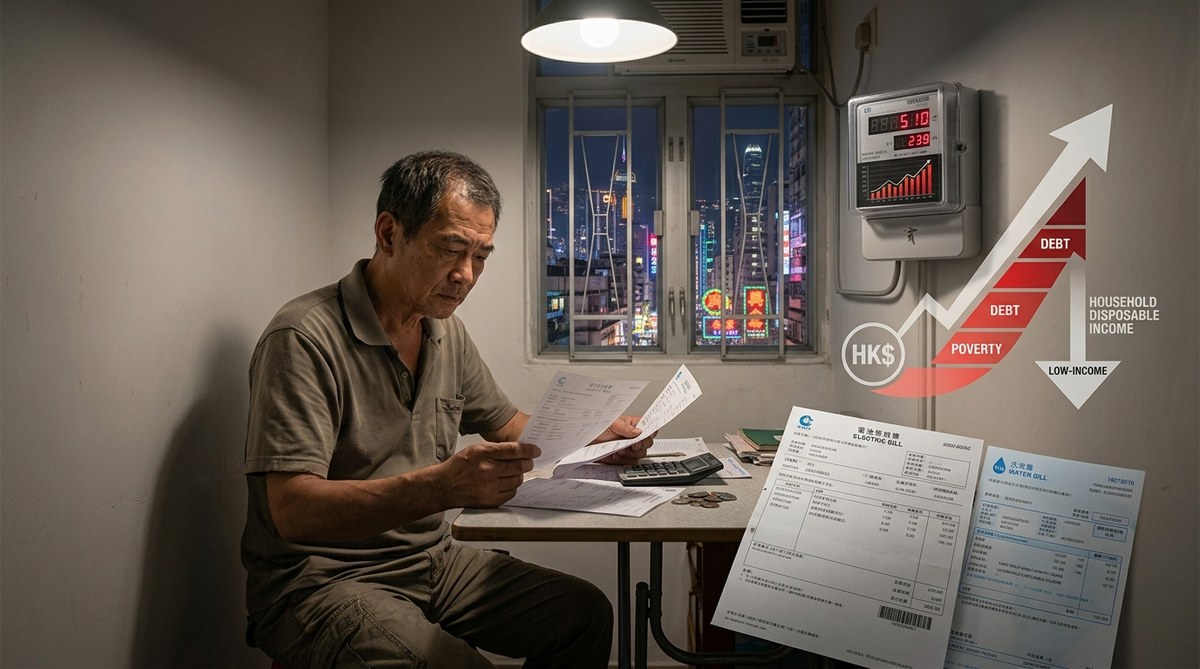
Statistics tell only part of the story. Behind the numbers are families making difficult choices. Parents work two jobs to afford tutoring for their children. Young couples delay having kids because a two-bedroom apartment costs their combined annual salary times 20. Elderly residents sort cardboard for recycling to supplement meager pensions.
Subdivided flats house over 200,000 people in spaces smaller than parking spots. These “coffin homes” represent the extreme end of housing inequality, where families pay premium rents for substandard conditions. Children do homework in bunk beds while parents cook on hot plates in hallways.
Social segregation increased as neighborhoods sorted by income. Wealthy districts like the Peak and Repulse Bay became increasingly exclusive. Working-class areas like Sham Shui Po concentrated poverty and limited opportunities. This geographic sorting reduced cross-class interaction and understanding.
Where things stand today
Recent government initiatives show renewed attention to inequality. The 2021 Policy Address included increased public housing targets, expanded elderly care, and enhanced retraining programs. Whether these measures will meaningfully reduce inequality remains uncertain.
The 2019 protests highlighted deep frustration with economic conditions, particularly among young people. Housing affordability, job prospects, and social mobility emerged as key grievances alongside political demands. Any sustainable political settlement must address these economic foundations.
COVID-19 recovery presents both challenges and opportunities. Remote work could reduce geographic barriers to employment. Automation might eliminate low-wage jobs but could also create new opportunities. How policy shapes these transitions will determine whether inequality narrows or widens further.
Making sense of three decades of data
Income inequality in Hong Kong reflects choices about economic structure, land policy, taxation, and social investment. The trend over three decades shows consistent widening of the wealth gap, driven by forces both global and local. While some interventions have helped at the margins, no comprehensive strategy has emerged to fundamentally alter the trajectory.
Understanding these patterns matters for anyone interested in Hong Kong’s future. The data shows that high inequality isn’t inevitable but results from specific policy choices and economic structures. Different choices could produce different outcomes. The question is whether political will exists to implement meaningful reforms, or whether the current trajectory will continue, with all its social and economic consequences.
The numbers tell a clear story: Hong Kong’s wealth gap has grown substantially since 1991, creating a city of stark contrasts. Addressing this challenge requires acknowledging the data, understanding the drivers, and committing to structural changes that create more broadly shared prosperity.

Post Comment