
Has Hong Kong’s Life Expectancy Growth Rate Started to Plateau?
Hong Kong consistently ranks among the top territories globally for human longevity. Residents enjoy some of the longest lifespans on Earth, a remarkable achievement that reflects decades of public health investment, healthcare access, and socioeconomic progress. But recent data suggests this upward trajectory may be slowing, raising important questions for policymakers and health professionals about what comes next.
Hong Kong life expectancy reached 85.5 years in 2023, maintaining its position as one of the world’s highest. Men live an average of 83.0 years while women reach 88.0 years. Growth rates have decelerated from the rapid gains seen in previous decades, shifting from annual increases of 0.3 years to smaller increments. This plateau reflects both the biological limits of longevity and evolving health challenges facing the population.
Current life expectancy figures
As of 2023, Hong Kong residents can expect to live 85.5 years on average. This places the territory at the top of global life expectancy rankings, alongside Japan and Switzerland.
The gender gap remains substantial. Women outlive men by approximately five years, a pattern consistent with global trends but particularly pronounced in Hong Kong’s case.
Breaking down the numbers by gender:
- Men: 83.0 years
- Women: 88.0 years
- Overall population: 85.5 years
These figures represent life expectancy at birth, meaning a child born today can statistically expect to reach these ages under current mortality conditions.
For context, someone who has already reached age 65 in Hong Kong can expect to live another 21.3 years (men) or 25.9 years (women). This conditional life expectancy matters greatly for retirement planning and healthcare resource allocation.
Historical growth patterns
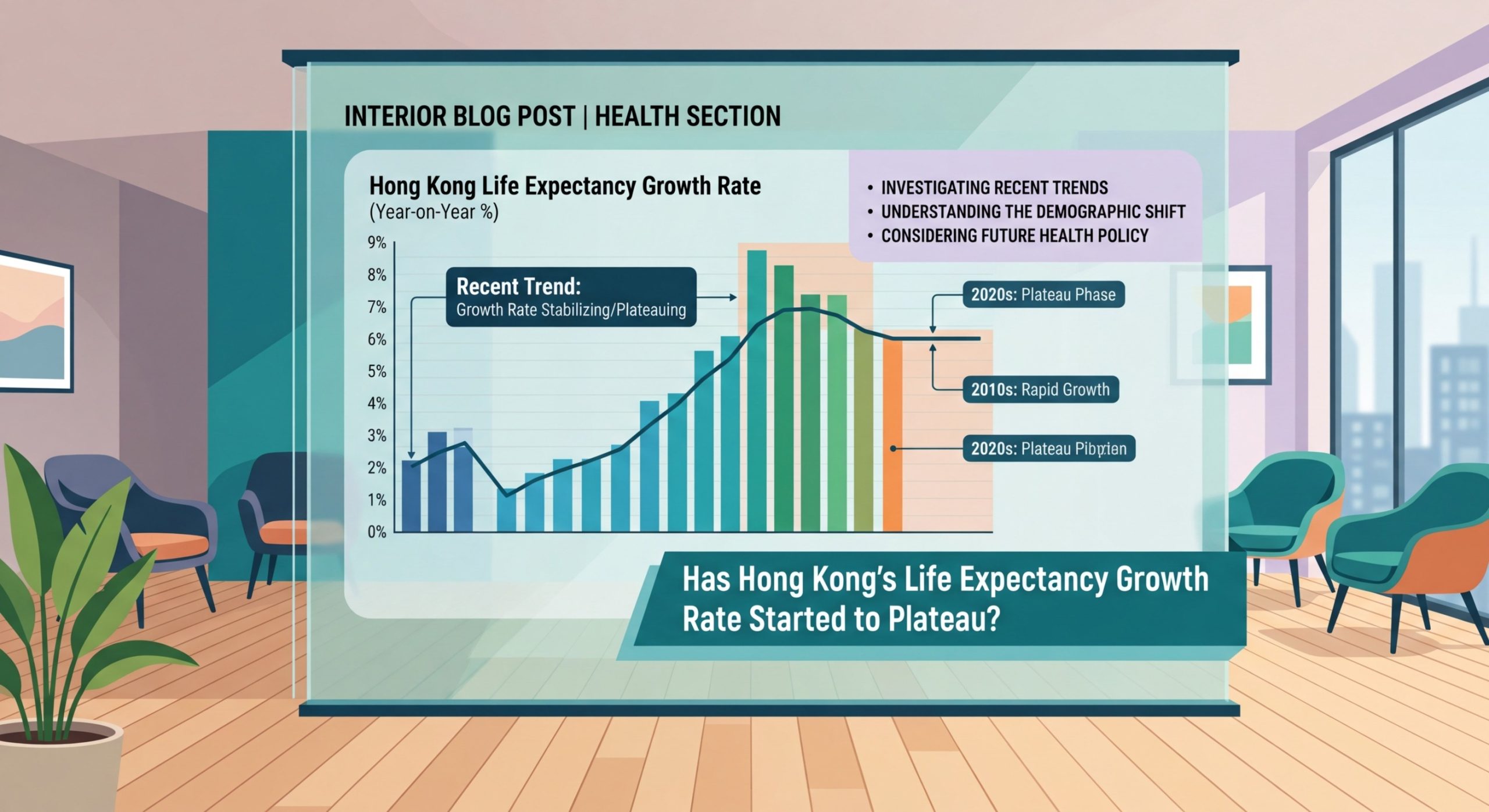
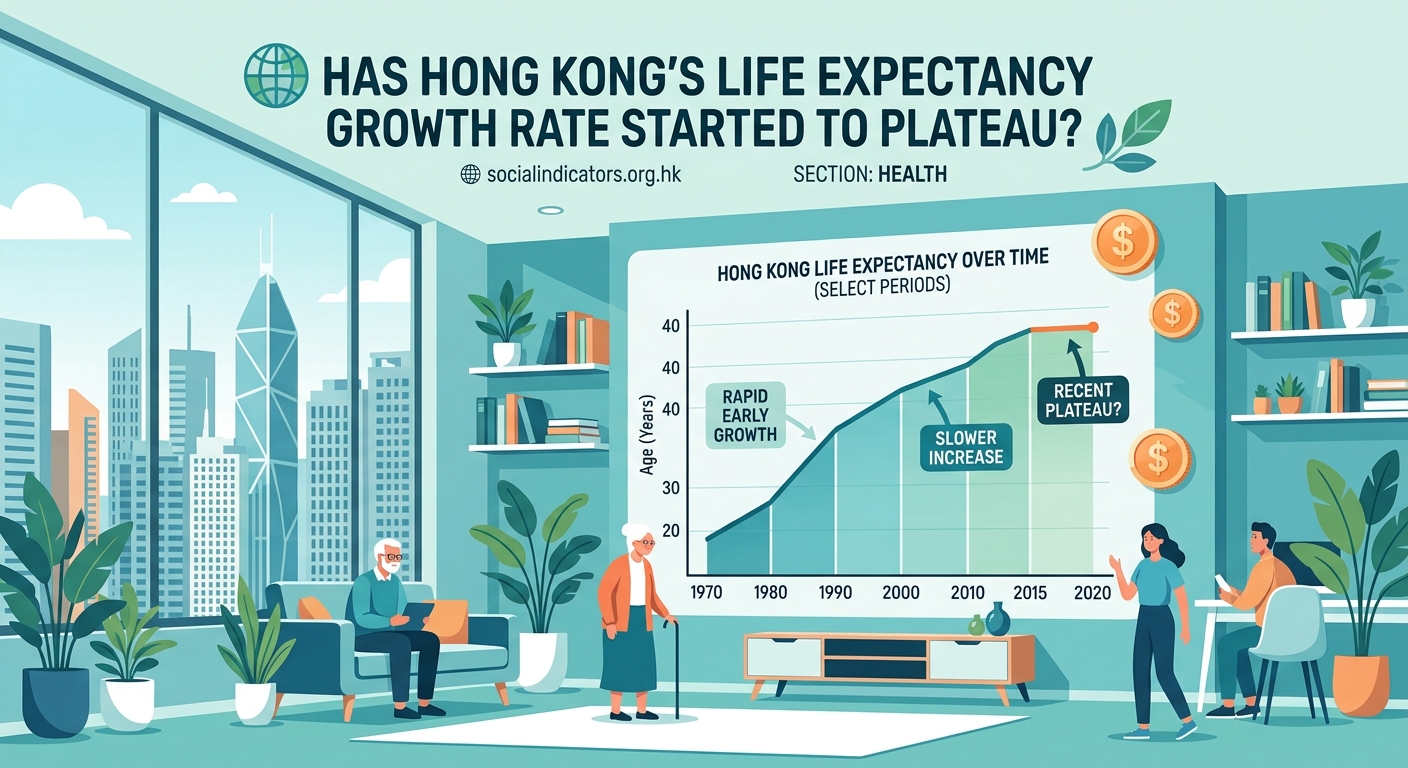
Hong Kong’s longevity story is one of remarkable transformation. In 1960, life expectancy stood at just 64 years. By 2000, it had climbed to 81 years. The territory added nearly two decades to average lifespan in just 40 years.
The pace of improvement varied across different periods:
- 1960s to 1980s: Rapid gains of 0.4 to 0.5 years annually
- 1990s to 2010s: Moderate growth of 0.2 to 0.3 years per year
- 2015 onwards: Slower increases of 0.1 to 0.2 years annually
This deceleration is not unique to Hong Kong. Most high-income regions with already elevated life expectancy face similar slowdowns. The easy gains from reducing infant mortality and controlling infectious diseases have been achieved. Further progress requires tackling complex chronic conditions and age-related diseases.
| Period | Average Annual Increase | Primary Drivers |
|---|---|---|
| 1960-1980 | 0.4-0.5 years | Infectious disease control, sanitation |
| 1980-2000 | 0.3-0.4 years | Healthcare expansion, economic growth |
| 2000-2015 | 0.2-0.3 years | Chronic disease management, lifestyle improvements |
| 2015-2023 | 0.1-0.2 years | Incremental medical advances, population aging |
Global comparison and rankings
Hong Kong shares the top spot with Japan, where life expectancy also exceeds 85 years. Switzerland, Singapore, and South Korea round out the top five.
The territory surpasses wealthy nations like Australia (83.3 years), Canada (82.5 years), and the United States (78.9 years) by substantial margins.
Several factors explain Hong Kong’s exceptional performance:
- Universal healthcare coverage with minimal financial barriers
- Dense urban environment supporting walkability and public transit use
- Traditional diet emphasizing vegetables, fish, and moderate portions
- Strong family support structures for elderly care
- Low rates of obesity compared to Western nations
- Minimal substance abuse and lower smoking rates than historical peaks
The comparison with the United States is particularly striking. Hong Kong residents live nearly seven years longer on average, despite spending far less per capita on healthcare. This efficiency reflects both systemic differences and cultural factors affecting health behaviors.
Factors driving longevity
Multiple interconnected elements contribute to Hong Kong’s exceptional life expectancy. No single factor explains the outcome, but rather a combination of policy choices, cultural practices, and geographic advantages.
Healthcare system accessibility
Hong Kong operates a dual-track system. Public hospitals and clinics provide subsidized care to all residents, ensuring nobody goes without treatment due to cost. Private options exist for those seeking shorter wait times or premium services, but the public system serves as a robust safety net.
Primary care is widely available. Residents can access general practitioners easily, catching health issues early before they escalate into serious conditions.
Dietary patterns
Traditional Cantonese cuisine emphasizes balance and variety. Meals typically include generous portions of vegetables, moderate amounts of protein from fish and poultry, and smaller servings of red meat.
Tea consumption is nearly universal, providing antioxidants and hydration. Portion sizes remain smaller than Western standards, reducing caloric excess.
Street food culture, while vibrant, coexists with health-conscious eating habits. Many residents balance occasional indulgences with predominantly nutritious daily meals.
Urban design and physical activity
Hong Kong’s compact geography encourages walking. Most residents live within easy reach of public transportation, reducing car dependency.
Climbing stairs is unavoidable in a city of high-rises. This incidental exercise adds up over a lifetime, maintaining cardiovascular fitness without requiring gym memberships.
Parks and hiking trails are surprisingly accessible despite urban density. Weekend hiking is a popular pastime across age groups.
Social cohesion and family support
Multigenerational households remain common, though less so than previous generations. Even when living separately, adult children typically maintain close contact with aging parents.
This social support reduces isolation, a known risk factor for premature mortality. Regular family meals and gatherings provide both emotional connection and practical assistance.
Community centers offer programs for seniors, from tai chi classes to social clubs, keeping older adults engaged and active.
Challenges and emerging concerns
Despite impressive overall figures, several trends warrant attention from health authorities and policymakers.
Chronic disease burden
As the population ages, chronic conditions become more prevalent. Diabetes, hypertension, and cardiovascular disease affect growing numbers of residents.
Cancer remains the leading cause of death, accounting for approximately 30% of all fatalities. While survival rates have improved due to better treatments, prevention efforts must intensify to reduce incidence.
Mental health issues, particularly among younger residents, have gained recognition as a serious concern. Depression and anxiety do not always reduce lifespan directly but affect quality of life and can contribute to other health problems.
Income inequality and health disparities
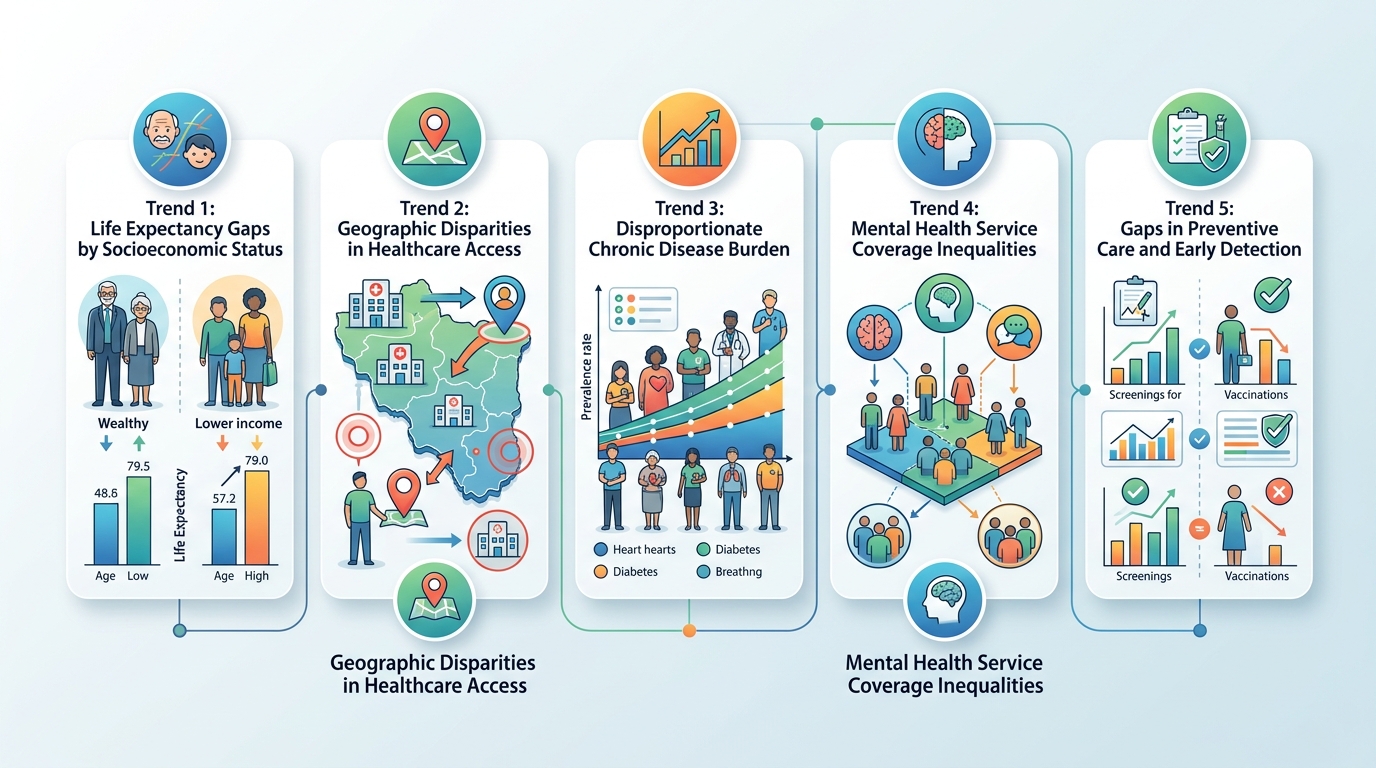
Overall life expectancy masks significant variation by socioeconomic status. Residents in wealthier districts live several years longer than those in lower-income areas.
Access to healthy food, safe housing, and preventive care correlates strongly with income. While the public healthcare system provides universal coverage, other social determinants of health show clear gradients.
Occupational health risks disproportionately affect lower-wage workers. Construction workers, cleaners, and service industry employees face greater physical demands and workplace hazards.
Environmental factors
Air quality, while improved from historical lows, still poses health risks. Particulate matter from vehicle emissions and regional pollution affects respiratory health, particularly among children and elderly residents.
Urban heat islands intensify during summer months, creating dangerous conditions for vulnerable populations. Climate change will likely exacerbate this challenge.
Noise pollution from dense living conditions and constant traffic may contribute to stress-related health problems, though quantifying this impact remains difficult.
Age-specific mortality patterns
Understanding where deaths occur across the lifespan helps identify intervention opportunities.
Infant mortality in Hong Kong is exceptionally low at 1.7 deaths per 1,000 live births. This reflects excellent prenatal care, skilled birth attendance, and neonatal intensive care capabilities.
Childhood and adolescent mortality remains minimal. Accidents represent the primary risk during these years, rather than disease.
Working-age adults (25 to 64 years) face mortality primarily from cancer, cardiovascular disease, and accidents. Suicide rates in this age group have fluctuated but remain a concern, particularly among middle-aged men facing economic pressures.
Elderly mortality (65 and above) dominates overall death statistics simply due to population aging. Pneumonia, stroke, heart disease, and cancer account for most deaths in this group.
“Life expectancy tells us about quantity of years, but healthy life expectancy matters just as much. We need to focus on extending the period of life spent in good health, not just adding years with disability and dependence.” — Public health researcher analyzing longevity trends
Gender differences in longevity
The five-year gap between male and female life expectancy reflects both biological and behavioral factors.
Women have inherent biological advantages related to hormones, immune function, and cellular aging processes. These factors account for perhaps two to three years of the difference.
Behavioral patterns explain the remainder. Men historically engaged in riskier occupations, smoked at higher rates, and sought medical care less promptly. While these gaps have narrowed, they have not disappeared.
Men experience higher mortality from accidents, suicide, and cardiovascular disease at younger ages. Women face greater risks from dementia and osteoporosis-related complications in advanced old age.
Interestingly, the gender gap in Hong Kong has remained relatively stable over time, unlike some regions where it has narrowed as male health behaviors improved.
Projections and future outlook
Demographic models project continued but slower increases in Hong Kong life expectancy through 2040. Most scenarios anticipate reaching 87 to 88 years by mid-century.
Several factors could accelerate or decelerate this trajectory:
- Medical advances: Breakthroughs in cancer treatment, dementia prevention, or regenerative medicine could boost longevity significantly.
- Lifestyle trends: Rising obesity rates or declining physical activity would slow progress.
- Healthcare system sustainability: Maintaining quality and access as the population ages requires substantial resources.
- Environmental conditions: Climate change impacts, air quality trends, and infectious disease emergence all affect mortality.
- Economic factors: Recessions, housing affordability, and income inequality influence health through multiple pathways.
The COVID-19 pandemic demonstrated how sudden shocks can temporarily reverse longevity gains. Hong Kong experienced excess mortality during 2022, though long-term impacts remain uncertain.
Policy implications
Sustaining and improving life expectancy requires proactive policy responses across multiple sectors.
Healthcare financing must adapt to an aging population. The ratio of working-age residents to retirees will decline, straining both pension systems and healthcare budgets. Innovative funding mechanisms and efficiency improvements will be necessary.
Preventive health programs deserve expanded investment. Screening for cancer, diabetes, and cardiovascular risk factors catches problems early when treatment is most effective and least costly.
Urban planning should prioritize age-friendly design. Accessible public spaces, pedestrian safety, and housing options that allow aging in place all support healthy longevity.
Workplace policies need updating to accommodate longer working lives. Many residents remain healthy and productive well past traditional retirement ages, and labor force participation among older adults benefits both individuals and society.
Measuring what matters beyond years
Raw life expectancy numbers tell an incomplete story. Quality of life during those years matters enormously to individuals and families.
Healthy life expectancy, which measures years lived without significant disability, provides a more nuanced picture. Hong Kong performs well on this metric too, but the gap between total life expectancy and healthy life expectancy has widened slightly.
This means residents are living longer but spending more of those additional years managing chronic conditions or disabilities. Compression of morbidity, where illness is concentrated into a shorter period before death, represents an ideal goal but remains elusive.
Functional independence measures track ability to perform daily activities without assistance. Maintaining this independence preserves dignity and reduces caregiving burden on families and institutions.
Mental health and social connection increasingly receive recognition as components of healthy aging. Loneliness and cognitive decline diminish quality of life even when physical health remains intact.
What the data tells us about tomorrow
Hong Kong’s longevity achievement reflects decades of wise investments and fortunate circumstances. The slowdown in life expectancy growth is not a failure but a natural consequence of approaching biological limits.
Future gains will likely come from incremental improvements rather than dramatic breakthroughs. Precision medicine, better management of chronic conditions, and healthier aging processes offer promise.
The real challenge lies not in adding more years but in ensuring those years are lived well. Healthcare systems, urban environments, social policies, and individual choices all shape whether longer lives are also better lives.
For researchers and policymakers, the data provides both reassurance and warning. Hong Kong has achieved remarkable success, but maintaining that position requires continued vigilance and adaptation. The factors that drove past improvements may not suffice for future challenges.
Understanding these trends helps us plan for a future where more people reach advanced ages. That future demands infrastructure, services, and attitudes that support healthy, engaged, and meaningful lives at every stage.



Post Comment