
Single-Person Households on the Rise: What This Means for Hong Kong’s Social Fabric
Walk through Mong Kok on a Tuesday evening and you’ll notice something. Restaurants now offer single-seat counters. Convenience stores stock meal-for-one packages. Real estate agents advertise nano flats with pride. Hong Kong is quietly transforming into a city of solo dwellers, and the numbers tell a story that affects everyone from urban planners to your next-door neighbor.
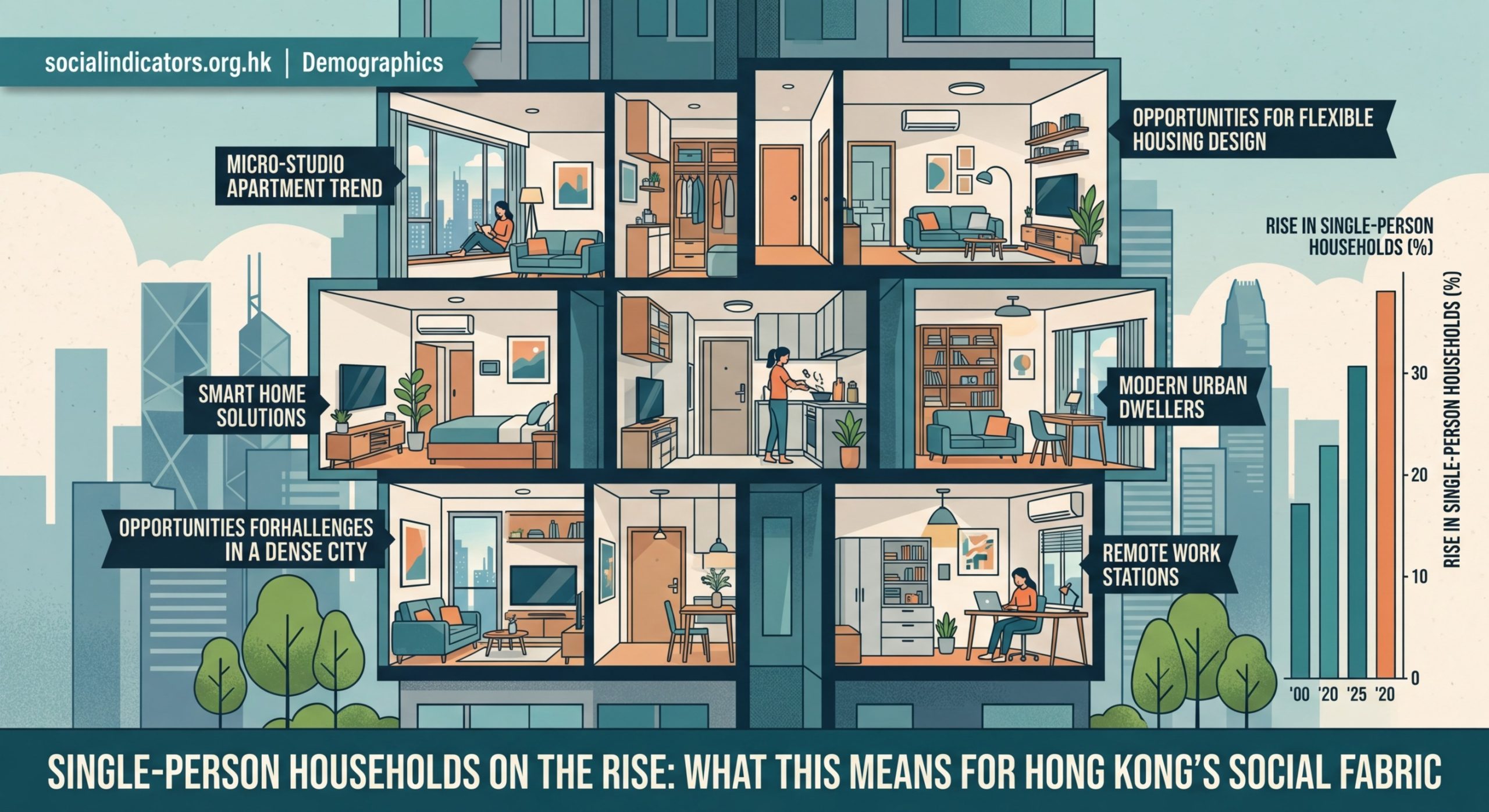
Single person households in Hong Kong have grown dramatically over the past two decades, now representing over 230,000 units. This demographic shift affects housing demand, social services, community structures, and policy priorities. Factors include delayed marriage, aging populations, career mobility, and changing cultural values. Understanding these trends helps policymakers, researchers, and residents adapt to an evolving urban landscape where living alone is increasingly common.
The numbers behind the shift
Census data paints a clear picture. In 2001, single person households made up roughly 12% of all domestic units. By 2021, that figure jumped past 18%. We’re talking about more than 230,000 people living alone across the city.
The growth isn’t slowing down either. Projections suggest this trend will continue through 2030 and beyond. What makes this particularly striking is how it cuts across age groups. Young professionals in their late twenties choose solo living for career flexibility. Middle-aged adults remain single by choice or circumstance. Elderly residents age in place after losing a spouse.
Breaking down the demographics reveals interesting patterns:
- Adults aged 25 to 34 increasingly delay marriage and family formation
- The 65-plus age group shows the fastest growth in solo living arrangements
- Women outnumber men in older single person households due to longer life expectancy
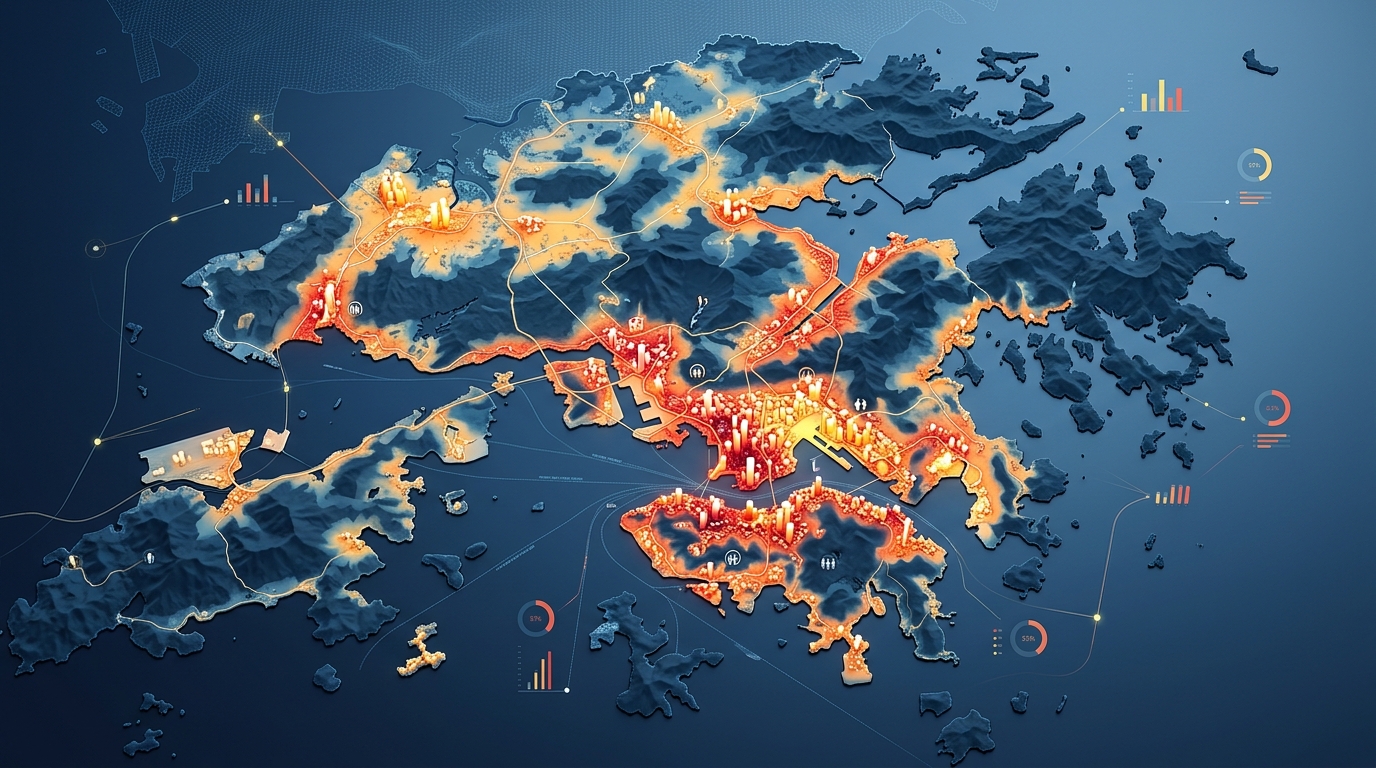
- Urban districts like Central and Western show higher concentrations than rural areas
These aren’t just statistics. Each number represents someone navigating life independently in one of the world’s most densely populated cities.
Why people live alone now
The reasons behind this shift span economic, social, and cultural factors. Let’s break them down.
Career demands play a major role. Hong Kong’s competitive job market means long hours and frequent travel. Many professionals prioritize career advancement in their twenties and thirties, pushing marriage and children further down the timeline. Some never return to those traditional milestones.
Housing costs create another barrier. Property prices in Hong Kong rank among the highest globally. Even with dual incomes, couples struggle to afford family-sized apartments. For singles, the math becomes even more challenging. Yet some choose to rent small units alone rather than compromise on location or lifestyle.
Cultural attitudes have shifted too. Previous generations faced strong social pressure to marry and have children by certain ages. Today’s young adults face less stigma around remaining single. Personal fulfillment, travel, and career satisfaction compete with traditional family structures.
Divorce rates contribute as well. When marriages end, two people who shared one household suddenly need separate living spaces. Not everyone remarries or moves in with family afterward.
The aging population adds another dimension. Hong Kong residents live longer than almost anywhere else on Earth. When one spouse passes away, the surviving partner often continues living independently for years or even decades.
Housing market responses
Developers noticed the trend early. Nano flats, units under 200 square feet, started appearing across the city. These tiny spaces pack sleeping, cooking, and living areas into layouts that would shock residents from just twenty years ago.
Some buildings now dedicate entire floors to studio apartments. Shared amenities like co-working spaces, gyms, and roof gardens compensate for cramped private quarters. The pitch: sacrifice personal space for prime location and community features.
Rental markets adapted too. Landlords subdivide older apartments into multiple units. What once housed a family of four might now accommodate four separate tenants. Legal and illegal subdivisions blur together in districts with high demand.
Public housing policies face pressure to adjust. Traditional allocation systems prioritize families. Single applicants wait years, sometimes over a decade, for units. Recent policy discussions consider whether solo dwellers deserve faster access or specialized housing options.
Here’s how different housing types accommodate single residents:
| Housing Type | Average Size | Monthly Cost | Typical Location | Wait Time |
|---|---|---|---|---|
| Nano flat | 150-200 sq ft | HK$8,000-12,000 | Urban core | Immediate |
| Studio apartment | 250-350 sq ft | HK$12,000-18,000 | Kowloon, Island | 1-2 months |
| Subdivided unit | 100-150 sq ft | HK$4,000-7,000 | Older districts | Varies |
| Public housing | 200-300 sq ft | HK$2,000-4,000 | New Territories | 5-10 years |
| Co-living space | 120-180 sq ft | HK$7,000-10,000 | Mixed areas | Immediate |
Social fabric under pressure
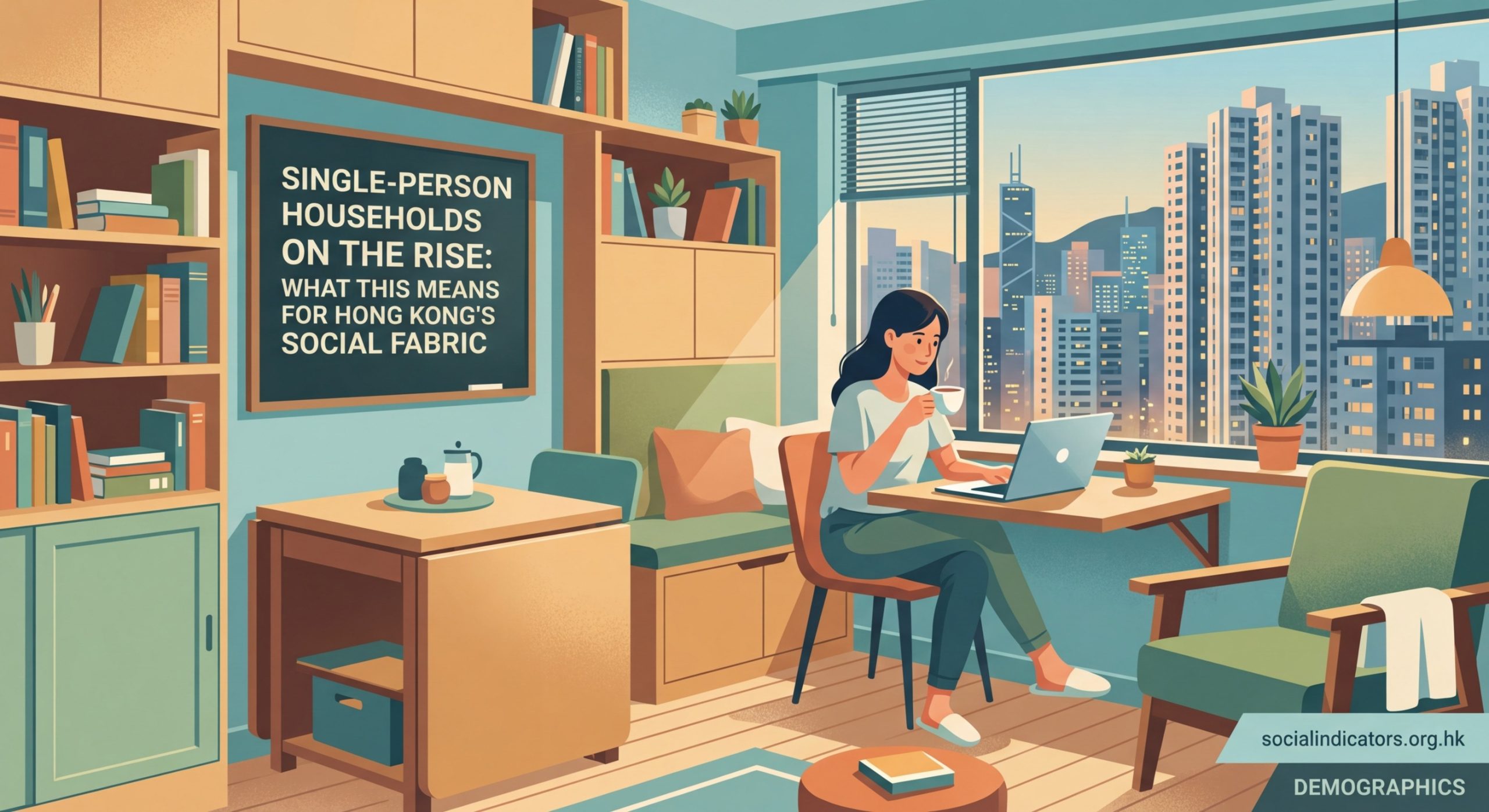
Living alone changes how people interact with their communities. Traditional support networks centered on family units. When someone got sick, family members provided care. When money got tight, relatives helped out. Solo dwellers lack these automatic safety nets.
Social isolation becomes a real risk, especially for older residents. A 2022 study found that elderly people living alone reported higher rates of loneliness and depression compared to those living with family. The problem intensifies in high-rise buildings where neighbors rarely interact.
Community organizations try to fill the gap. District councils organize social activities. NGOs run programs connecting volunteers with isolated seniors. Religious groups offer fellowship opportunities. Yet these formal structures can’t fully replace the informal support that family households naturally provide.
Mental health implications deserve attention too. While some people thrive living independently, others struggle with loneliness. The pandemic highlighted this issue when lockdowns confined solo dwellers to tiny apartments with no household companions.
Living alone doesn’t automatically mean being lonely, but it does require intentional effort to maintain social connections. Without the daily interactions that family life provides, single person households need to actively build and sustain their support networks through friendships, community involvement, and professional relationships.
Consumer behavior shifts alongside household structures. Grocery stores stock smaller portions. Restaurants offer single-serving options. Entertainment venues cater to solo visitors. These adaptations make independent living more practical, which in turn reinforces the trend.
Policy implications and responses
Government agencies grapple with how to address this demographic shift. Current policies were designed for a different Hong Kong, one where multigenerational households dominated.
Social services need rethinking. Healthcare systems assume family caregivers will support elderly patients after hospital discharge. When patients live alone, who ensures they take medication correctly? Who notices if their condition deteriorates?
Emergency response protocols face similar questions. When someone living alone has a medical crisis at home, who calls for help? Some districts experiment with check-in systems where volunteers or social workers contact at-risk individuals regularly.
Tax policies still favor married couples and families with children. Singles pay the same rates without access to many deductions. Some policy researchers argue that tax structures should reflect diverse household types more equitably.
Urban planning must adapt too. Parks, community centers, and public spaces were designed assuming families would use them together. Solo dwellers have different needs. They might value co-working spaces, social cafes, or activity centers that facilitate meeting others.
Here’s a practical framework for how different sectors can respond:
-
Housing authorities should expand public housing eligibility for single applicants and reduce wait times through dedicated quotas or specialized developments.
-
Healthcare providers need to develop support systems for patients without family caregivers, including home visit programs, medication management services, and emergency contact protocols.
-
Social service agencies must create programs that combat isolation, such as community dining initiatives, interest-based clubs, and volunteer matching systems that connect solo dwellers with each other.
-
Urban planners should design mixed-use developments that encourage spontaneous social interaction through shared spaces, walkable neighborhoods, and third places beyond home and work.
-
Employers can support solo workers through flexible schedules that allow time for community engagement, mental health resources, and workplace social opportunities.
Comparing Hong Kong to other cities
Hong Kong isn’t alone in this trend. Cities worldwide see rising numbers of single person households. But the pace and scale vary significantly.
Tokyo leads among Asian cities, with single person households exceeding 30% of all units. Cultural acceptance of solo living runs deeper there. Infrastructure supports independent lifestyles through convenience stores, automated services, and compact housing designed specifically for one person.
Singapore shows similar patterns but with different drivers. Government policies there actively shape household formation through housing allocation and marriage incentives. Yet single person households still grow despite these interventions.
European cities like Stockholm and Berlin normalized solo living decades ago. Their housing markets, social services, and urban design reflect this reality. Hong Kong is playing catch-up, adapting systems built for different household structures.
New York and London offer closer comparisons. Dense, expensive, career-focused cities where young professionals delay family formation. All three cities struggle with housing affordability and social isolation among solo dwellers.
What sets Hong Kong apart is the combination of extreme density, sky-high property costs, and rapid demographic change compressed into a short timeframe. The city must adapt faster than most.
Common misconceptions and realities
Several myths surround single person households. Let’s clear them up.
Myth: People living alone are selfish or antisocial.
Reality: Most solo dwellers maintain active social lives. They simply prefer separate living spaces. Many volunteer, participate in community activities, and maintain close friendships.
Myth: Single person households waste resources and space.
Reality: Per capita, solo dwellers often consume less than larger households. Smaller living spaces mean less energy for heating and cooling. Food waste drops when cooking for one.
Myth: This trend represents family breakdown and social decay.
Reality: Household structures evolve with economic and cultural changes. Extended family households dominated agricultural societies. Nuclear families suited industrial economies. Solo living reflects post-industrial urban realities.
Myth: Only wealthy people can afford to live alone.
Reality: Single person households span income levels. Some professionals choose luxury studios. Others squeeze into subdivided units. Economic necessity drives many older adults to continue living alone despite preferring otherwise.
What this means for community building
Cities function best when residents feel connected to their neighborhoods. Single person households complicate this traditional model but don’t make it impossible.
Successful community building requires rethinking how people interact. Instead of assuming family-based activities, organizers can create opportunities for individuals to connect around shared interests. Hobby groups, sports leagues, volunteer projects, and skill-sharing workshops work well.
Technology plays a role too. Apps connecting neighbors, online community forums, and social media groups help solo dwellers find others nearby. These digital tools complement rather than replace face-to-face interaction.
Commercial spaces can facilitate community too. Cafes that welcome solo workers become informal co-working spaces. Restaurants with communal tables encourage conversation among strangers. Bookstores hosting events create gathering points.
The goal isn’t forcing everyone into traditional social structures. It’s ensuring that people living alone have accessible pathways to connection when they want them.
Tracking the data forward
Understanding this trend requires ongoing monitoring. The Social Development Index tracks multiple indicators relevant to household composition, including living arrangements, social support networks, and community participation rates.
Researchers watch several key metrics:
- Marriage and divorce rates
- Average age at first marriage
- Elderly living arrangements
- Housing affordability indices
- Social isolation measures
- Community engagement levels
These data points together paint a picture of how household structures evolve and what consequences follow. Policymakers need this information to plan services, allocate resources, and design interventions.
Future census data will reveal whether current trends continue, accelerate, or stabilize. Early indicators suggest growth will persist through at least 2030.
Making solo living work
For individuals choosing or finding themselves in single person households, practical strategies make the experience more sustainable.
Build routines that include social contact. Join a regular sports team. Attend weekly community events. Schedule standing coffee dates with friends. These commitments prevent isolation from creeping in unnoticed.
Create a support network intentionally. Identify neighbors you can call in emergencies. Maintain relationships with family even if you don’t live together. Cultivate friendships that go beyond casual acquaintance.
Design your living space thoughtfully. Even tiny apartments can feel comfortable with smart furniture choices and good organization. Prioritize what matters most to you, whether that’s cooking space, natural light, or storage.
Stay financially prepared. Living alone means no one else to split costs when unexpected expenses arise. Emergency funds matter more. Insurance becomes crucial.
Consider co-living arrangements if pure solo living feels too isolating. Shared houses or apartments with private bedrooms but common areas offer middle ground between traditional roommates and complete independence.
A city adapting in real time
Hong Kong stands at an inflection point. The rise of single person households represents one of the most significant demographic shifts in recent decades. How the city responds will shape life for hundreds of thousands of residents.
Success requires coordination across government, business, and civil society. Housing policies must evolve. Social services need expansion. Urban design should facilitate connection. Communities must welcome diverse household types without judgment.
The data shows clear trends. More people will live alone in coming years. That’s neither good nor bad in itself. What matters is whether Hong Kong builds the infrastructure, services, and social fabric to support this reality. The city has always adapted to change. This challenge is no different, just newer.
For researchers tracking these patterns, for policymakers designing responses, and for residents living this reality every day, understanding single person households in Hong Kong means understanding the city’s future. The numbers tell us where we’re heading. What we do with that information determines what kind of city we become.



Post Comment