
The Rising Cost of Private Tutoring: What the Data Tells Us About Hong Kong Families
Parents across Hong Kong face a familiar dilemma every school year. Should they invest in private tutoring for their child? And if so, how much will it actually cost?
The numbers tell a compelling story. Private tutoring has become a significant household expense for many families, with spending patterns shifting dramatically over the past decade. Understanding these costs isn’t just about budgeting. It’s about making informed decisions that balance educational goals with financial reality.
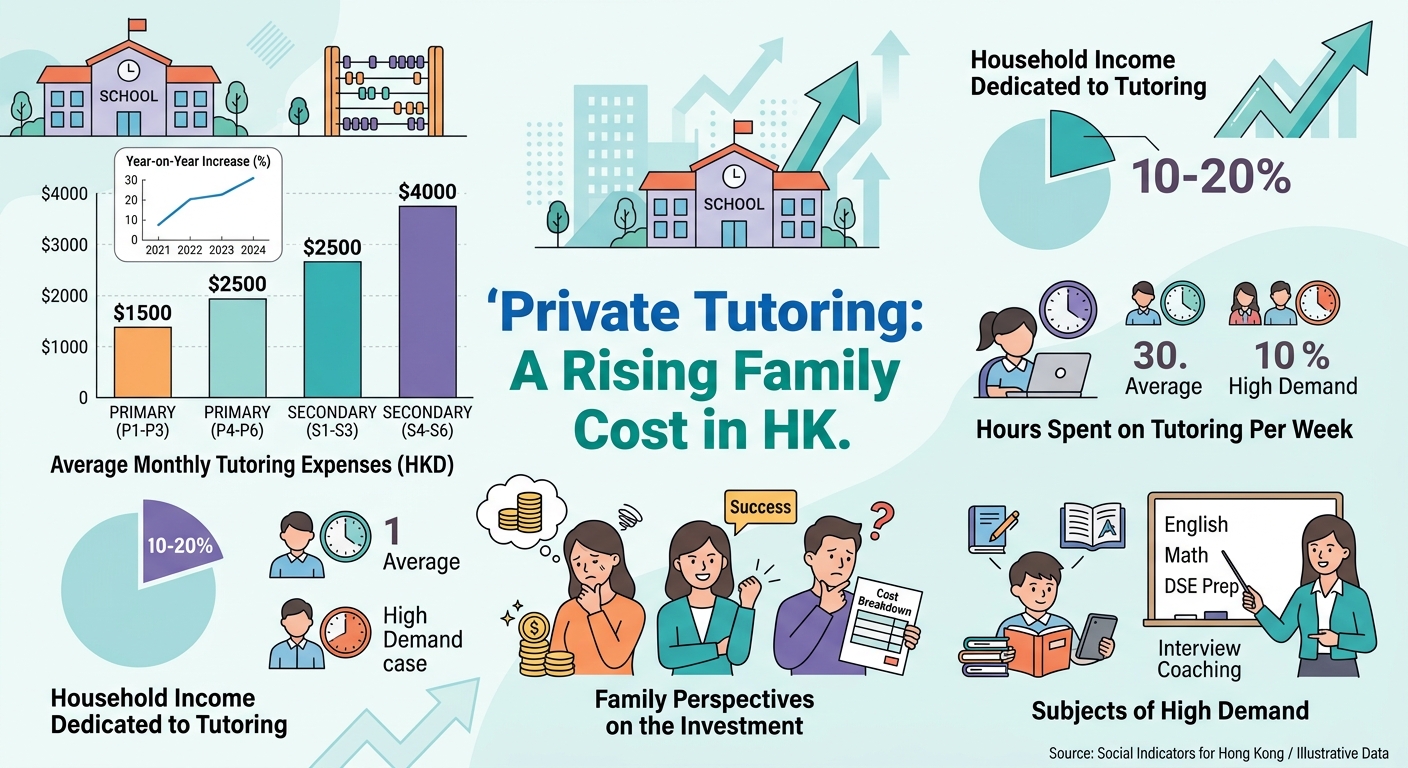
Private tutoring expenses in Hong Kong vary widely based on subject, tutor qualifications, and format. Average monthly costs range from HK$1,500 for group sessions to HK$8,000 for one-on-one instruction with experienced tutors. Understanding these price structures helps families budget effectively while ensuring their children receive quality supplementary education that aligns with both academic needs and household finances.
What families actually spend on tutoring
The financial commitment varies dramatically depending on several factors. Let’s break down the real numbers.
For primary school students, group tutoring sessions typically cost between HK$1,500 and HK$3,000 per month. These classes usually meet twice weekly, with session lengths of 90 minutes to two hours.
Secondary school students face higher rates. Group classes range from HK$2,500 to HK$4,500 monthly. The price increases reflect more specialized content and often smaller class sizes.
One-on-one tutoring commands premium pricing. Primary level private sessions start around HK$300 per hour for undergraduate tutors. Experienced teachers charge HK$500 to HK$800 hourly. For secondary students, especially those preparing for DSE examinations, rates climb to HK$600 to HK$1,200 per hour.
Subject matter influences pricing significantly. Mathematics and English tutoring form the baseline. Science subjects, particularly Physics and Chemistry at secondary level, often cost 15% to 25% more. Language tutoring for Mandarin or other foreign languages can exceed these rates by another 20%.
| Tutoring Type | Primary School (Monthly) | Secondary School (Monthly) | Hourly Rate Range |
|---|---|---|---|
| Group classes | HK$1,500 – HK$3,000 | HK$2,500 – HK$4,500 | Not applicable |
| Private (undergraduate tutor) | HK$2,400 – HK$4,800 | HK$3,200 – HK$6,400 | HK$300 – HK$500 |
| Private (experienced teacher) | HK$4,000 – HK$6,400 | HK$6,000 – HK$9,600 | HK$500 – HK$1,200 |
| Online sessions | HK$1,200 – HK$2,800 | HK$2,000 – HK$4,000 | HK$200 – HK$600 |
Why costs keep climbing
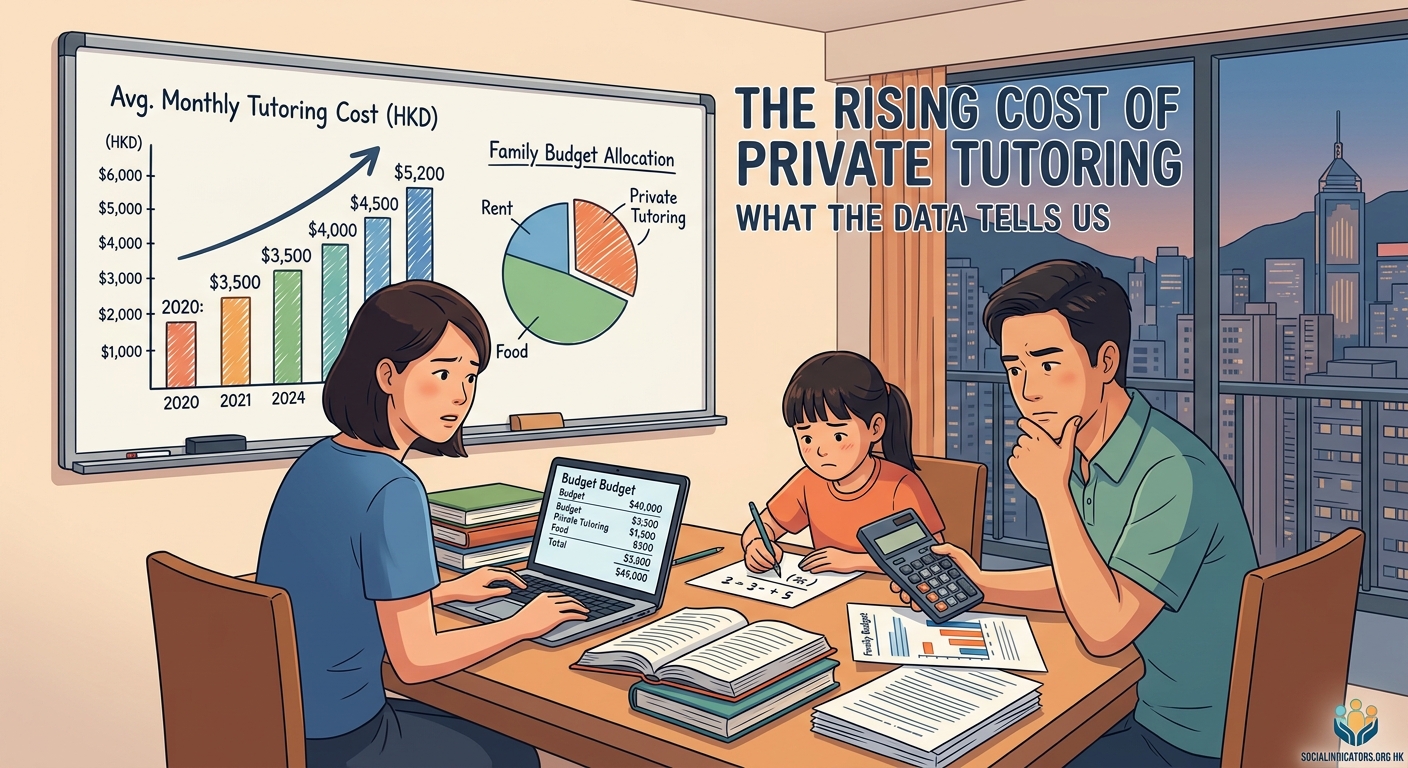
Several forces drive tutoring expenses upward year after year.
Competition for school places remains intense. Parents view tutoring as essential for entrance examinations, pushing demand higher. When more families compete for the same tutors, prices naturally rise.
The DSE examination system creates particular pressure points. Students in Forms 4 through 6 often attend multiple tutoring sessions weekly, sometimes for four or five subjects simultaneously. This concentrated demand during crucial academic years gives tutors pricing power.
Tutor qualifications have become more sophisticated. Many now hold advanced degrees or specialized teaching certifications. They invest in developing proprietary materials, practice papers, and teaching methodologies. These investments get reflected in their fees.
Real estate costs in Hong Kong affect tutoring centers significantly. Rental expenses for commercial spaces in convenient locations eat into margins, forcing centers to charge more to remain viable.
Parents should evaluate tutors based on teaching effectiveness and student progress, not just credentials. The most expensive option isn’t always the most suitable for your child’s learning style.
How different formats affect your budget
The delivery method you choose dramatically impacts total spending.
Large group classes at established tutoring centers offer the most economical option. Classes might include 15 to 30 students. The trade-off? Less individual attention and standardized pacing that might not match your child’s needs.
Small group tutoring, with four to eight students, provides middle ground pricing. Your child gets more personalized feedback while costs remain manageable. Many parents find this format offers the best value.
Private one-on-one tutoring delivers maximum customization at maximum cost. Tutors can tailor content, pacing, and teaching methods to your child’s specific needs. For students with learning differences or those needing intensive exam preparation, this investment often proves worthwhile.
Online tutoring has grown substantially. Video-based sessions cost 20% to 40% less than in-person alternatives. The savings come from eliminated travel time and reduced overhead for tutors. However, effectiveness depends heavily on your child’s ability to focus during screen-based learning.
Hybrid models blend approaches. Some families use group classes for regular instruction and add occasional private sessions before major tests. This strategy controls costs while providing targeted support when needed most.
Breaking down annual tutoring budgets
Let’s examine realistic annual spending scenarios for Hong Kong families.
Scenario 1: Light tutoring support
One subject in group format for a primary student costs approximately HK$24,000 annually. Add a second subject and you’re looking at HK$48,000. Many families in this category choose English and Mathematics.
Scenario 2: Moderate tutoring investment
A secondary student taking three subjects in small group format might cost HK$90,000 to HK$120,000 yearly. This represents a significant portion of household budgets for middle-income families.
Scenario 3: Intensive examination preparation
Form 5 and Form 6 students often require the most support. Four subjects with a mix of group and private tutoring can easily exceed HK$150,000 to HK$200,000 annually. Some families report spending even more during peak examination periods.
These figures exclude additional costs like textbooks, practice materials, and transportation. Factor in another 10% to 15% for these supplementary expenses.
Smart strategies to manage tutoring costs
You can control expenses without compromising educational quality.
-
Start with group classes to establish foundations. Assess whether your child needs private attention after a trial period. Many students thrive in group settings once they adjust.
-
Use online platforms for subjects where your child already performs reasonably well. Save premium one-on-one sessions for challenging subjects or skill gaps.
-
Consider university students as tutors for younger children or less critical subjects. They bring current knowledge and enthusiasm at lower rates. Reserve experienced teachers for examination years.
-
Negotiate package deals with tutors. Committing to a full academic year often yields 10% to 15% discounts compared to month-by-month arrangements.
-
Share private tutors with another family. Two students together cost each family less while maintaining smaller class sizes than commercial centers.
-
Evaluate effectiveness regularly. If your child shows no improvement after three months, the tutoring might not be working regardless of cost.
Common spending mistakes parents make
Avoid these pitfalls that waste money without improving outcomes.
-
Overloading schedules: More tutoring doesn’t automatically mean better results. Children need time to absorb material and complete homework. Four or five tutoring sessions weekly often proves counterproductive.
-
Chasing brand names: Famous tutoring centers charge premium rates largely for marketing and facilities. Smaller operations with excellent teachers often deliver better results at lower costs.
-
Starting too early: Primary 1 and Primary 2 students rarely need intensive tutoring. Building good study habits and reading regularly often matters more than formal instruction at this stage.
-
Ignoring learning style: Visual learners might struggle with tutors who rely heavily on verbal explanation. Matching teaching approach to learning style matters more than tutor credentials.
-
Panic spending before exams: Last-minute intensive tutoring rarely compensates for year-round gaps. It’s expensive and stressful without proportional benefit.
What the data reveals about spending patterns
Recent surveys show interesting trends in how Hong Kong families allocate tutoring budgets.
Approximately 85% of secondary students receive some form of private tutoring. For primary students, the figure sits around 70%. These rates have climbed steadily over the past 15 years.
Middle-income households spend roughly 15% to 20% of disposable income on supplementary education. For some families, this rivals their housing costs as a budget category.
Subject preferences show clear patterns:
– English tutoring: 78% of tutored students
– Mathematics: 72% of tutored students
– Chinese: 45% of tutored students
– Science subjects: 55% of secondary students
Interestingly, spending doesn’t correlate directly with academic outcomes. Students receiving moderate, well-targeted tutoring often outperform those with intensive, scattered support across many subjects.
Geographic location affects costs too. Tutors in Central, Admiralty, and Causeway Bay charge 20% to 30% more than those in New Territories locations. Yet teaching quality doesn’t necessarily differ.
Alternative approaches worth considering
Some families find creative solutions that reduce costs while maintaining support.
Study groups with friends can work well for motivated students. Parents might hire a tutor for a small group of classmates, splitting costs four or five ways. This works especially well for examination revision.
School-based after-school programs often cost less than commercial tutoring. Many schools now offer homework support and subject reinforcement at nominal fees. Quality varies, but these programs deserve consideration before committing to private tutoring.
Online learning platforms with recorded lessons provide flexibility at low cost. Students can review difficult concepts repeatedly. While lacking personal interaction, these resources work well as supplements to school instruction.
Parent-led learning remains underutilized. If you have strength in a subject, consider teaching your child directly. This works better for primary level content and builds family bonds while saving money.
Community centers sometimes offer subsidized tutoring programs. These serve specific income brackets and provide genuine value, though availability is limited and application processes can be competitive.
Planning your tutoring budget effectively
Create a realistic financial plan before committing to tutoring arrangements.
First, identify genuine needs versus perceived gaps. Request teacher feedback about your child’s actual weak points. Focus resources on subjects where tutoring will make meaningful difference.
Second, set a maximum monthly budget based on your overall financial situation. Tutoring shouldn’t compromise retirement savings, emergency funds, or other family necessities.
Third, prioritize spending by academic year. Primary 1 through Primary 4 might need minimal support. Primary 5 and Primary 6 require more investment for secondary school entrance. Form 4 through Form 6 demand the highest spending for DSE preparation.
Fourth, build in flexibility for unexpected needs. A sudden struggle with a new topic might require temporary additional support. Maintain a buffer of 15% to 20% above your baseline tutoring budget.
Fifth, review and adjust quarterly. If tutoring isn’t producing results, redirect funds to more effective alternatives rather than continuing ineffective spending.
Making tutoring work within your means
Private tutoring represents a substantial investment in your child’s education. The costs are real and rising. However, understanding the pricing landscape helps you make strategic choices.
Not every child needs tutoring. Not every subject requires private instruction. And the most expensive option isn’t automatically the best fit for your family.
Focus on targeted support where it matters most. Match tutoring format to your child’s learning style and your budget constraints. Monitor progress regularly and adjust spending based on actual results.
Your goal isn’t to match what other families spend. It’s to provide your child with the specific support they need to succeed academically while maintaining overall family financial health. With clear priorities and realistic budgeting, you can achieve both objectives effectively.


Post Comment