What 20 Years of Emergency Room Data Tells Us About Healthcare Accessibility
Emergency departments serve as critical barometers for healthcare system performance. When patient volumes surge or shift unexpectedly, these changes signal broader trends in disease patterns, healthcare access barriers, and population health needs. Twenty years of emergency room data from Hong Kong reveals patterns that challenge common assumptions about who uses emergency care and why.
Emergency department utilization trends over two decades show steady increases in patient volume, shifts toward higher acuity cases, and persistent access disparities among elderly and low-income populations. Understanding these patterns helps healthcare systems allocate resources effectively, reduce wait times, and address gaps in primary care that drive unnecessary emergency visits. Data-driven insights enable policy makers to design interventions targeting specific demographic groups and clinical conditions.
Understanding emergency department utilization patterns
Emergency department utilization refers to how patients access and use emergency services. This encompasses visit frequency, timing, acuity levels, and demographic characteristics of patients seeking care.
Healthcare researchers track these patterns to identify system strengths and weaknesses. High utilization rates might indicate inadequate primary care access. Shifts in patient demographics could signal changing disease burdens or population aging.
The data tells stories that numbers alone cannot capture. A spike in elderly patients during winter months suggests respiratory illness outbreaks. Increased weekend visits among working-age adults point to limited clinic hours during weekdays.
Tracking utilization over extended periods reveals whether changes represent temporary fluctuations or sustained trends. Twenty-year datasets provide sufficient time to distinguish between these patterns and assess intervention effectiveness.
Major trends observed across two decades
Patient volume increased steadily from 2000 to 2020 across Hong Kong emergency departments. Annual visits rose by approximately 40% during this period, outpacing population growth rates.
Several factors contributed to this increase:
- Aging population with higher healthcare needs
- Growing prevalence of chronic diseases requiring acute management
- Limited after-hours primary care options
- Patient preference for comprehensive emergency services
- Increased health awareness leading to earlier care-seeking
Triage category distribution shifted noticeably. Category 3 (urgent) and Category 4 (semi-urgent) cases comprised larger proportions of total visits over time. This suggests patients increasingly sought emergency care for conditions that might be managed in outpatient settings.
Seasonal patterns remained consistent. Winter months consistently showed 15-20% higher volumes than summer periods, driven primarily by respiratory infections and cardiovascular events during colder weather.
Weekend and evening utilization grew faster than weekday daytime visits. This pattern reflects limited primary care availability outside standard business hours, forcing patients to seek emergency care for non-urgent conditions.
Demographic patterns in emergency room usage
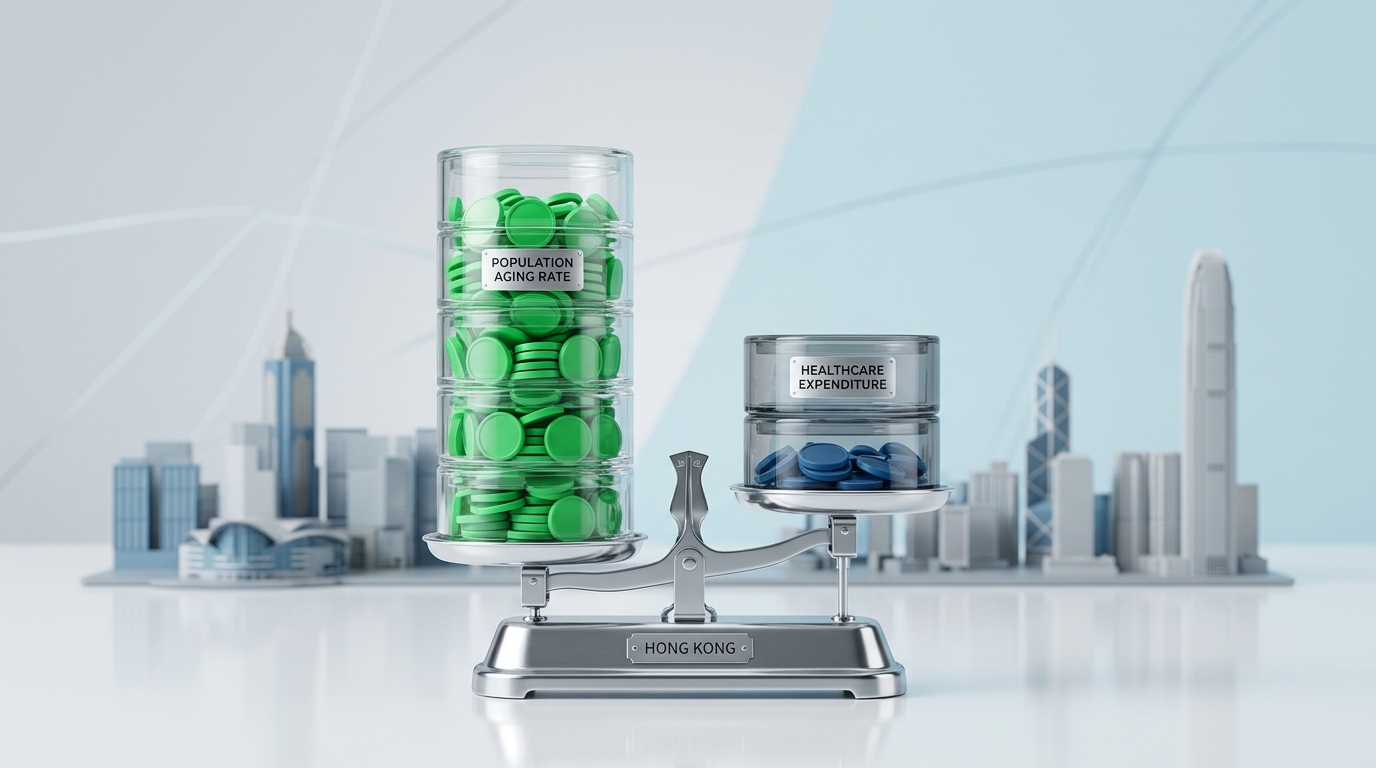
Age emerged as the strongest predictor of emergency department utilization. Patients aged 65 and older accounted for 35% of visits by 2020, up from 22% in 2000.
Elderly patients presented with distinct characteristics:
- Higher acuity levels requiring immediate intervention
- Multiple chronic conditions complicating treatment decisions
- Longer length of stay in emergency departments
- Greater likelihood of hospital admission following emergency visits
- Increased return visits within 72 hours of discharge
Working-age adults (25-64 years) showed different patterns. Their emergency visits concentrated during evenings and weekends, suggesting difficulty accessing primary care during work hours.
Children and adolescents comprised a declining proportion of emergency visits. This trend likely reflects improved pediatric primary care access and preventive health programs targeting younger populations.
Socioeconomic factors influenced utilization patterns significantly. Lower-income neighborhoods showed higher emergency department visit rates, even after controlling for health status and disease prevalence.
Clinical conditions driving emergency visits
Respiratory conditions consistently ranked among the top reasons for emergency department visits. Influenza, pneumonia, and chronic obstructive pulmonary disease exacerbations drove significant seasonal variation.
Cardiovascular complaints increased steadily over the study period. Chest pain, heart failure, and hypertension-related complications accounted for growing proportions of high-acuity cases.
Injury-related visits remained relatively stable as a percentage of total volume. However, the nature of injuries shifted, with falls among elderly patients increasing while workplace injuries declined.
Mental health presentations grew substantially. Depression, anxiety, and substance use-related visits more than doubled between 2000 and 2020, highlighting gaps in community mental health services.
| Clinical Category | 2000 Percentage | 2020 Percentage | Change |
|---|---|---|---|
| Respiratory | 18% | 22% | +4% |
| Cardiovascular | 12% | 17% | +5% |
| Injury | 25% | 24% | -1% |
| Mental Health | 4% | 9% | +5% |
| Gastrointestinal | 11% | 10% | -1% |
| Other | 30% | 18% | -12% |
Chronic disease management drove increasing emergency utilization. Diabetes complications, chronic kidney disease, and cancer-related symptoms brought patients to emergency departments more frequently as these conditions became more prevalent.
Wait times and throughput challenges
Average wait times increased across all triage categories during the study period. Category 3 patients waited an average of 45 minutes in 2000 compared to 75 minutes by 2020.
Throughput bottlenecks occurred at multiple points. Initial triage delays, diagnostic test turnaround times, and bed availability for admitted patients all contributed to longer emergency department stays.
Length of stay grew from an average of 3.2 hours in 2000 to 4.8 hours in 2020. This increase reflected both higher patient volumes and more complex cases requiring extensive workup.
Healthcare systems must address throughput challenges holistically. Focusing solely on emergency department operations ignores upstream factors like primary care access and downstream issues such as inpatient bed capacity. Effective solutions require coordination across the entire care continuum.
Boarding time for admitted patients emerged as a critical issue. Patients awaiting inpatient beds spent increasing hours in emergency departments, consuming resources needed for incoming patients.
Staffing patterns struggled to match demand fluctuations. Peak periods during evenings, weekends, and winter months strained personnel capacity, contributing to longer wait times and potential quality concerns.
Geographic and facility-level variations
Emergency department utilization varied substantially across Hong Kong regions. Urban centers showed higher per-capita visit rates than rural areas, though rural patients presented with higher average acuity.
Facility size influenced utilization patterns. Larger tertiary hospitals attracted more complex cases but also experienced higher volumes of lower-acuity visits that could be managed elsewhere.
Public versus private sector differences were striking. Public emergency departments handled 85% of total visits despite comprising only 60% of emergency facilities, reflecting cost barriers in private care.
Transportation infrastructure affected utilization. Areas with better public transit access to emergency facilities showed higher visit rates, suggesting transportation availability influences care-seeking decisions.
New facility openings temporarily reduced utilization at nearby existing departments. However, these reductions typically lasted only 12-18 months before volumes rebounded, indicating unmet demand rather than simple redistribution.
Policy implications and system responses
Healthcare systems implemented various interventions to manage growing emergency department demand. Primary care expansion aimed to reduce non-urgent emergency visits by improving access to alternative care settings.
Triage protocol refinements helped prioritize the most acute cases. Fast-track pathways for low-acuity conditions reduced wait times for both urgent and non-urgent patients.
Observation units allowed extended monitoring without formal hospital admission. These units improved throughput by freeing emergency department beds while maintaining appropriate care levels.
Care coordination programs targeted frequent emergency users. Case management, social support, and primary care linkages reduced repeat visits among high-utilizing patients.
Telemedicine integration offered alternatives for certain conditions. Virtual consultations diverted some lower-acuity cases while maintaining safety and patient satisfaction.
Community paramedicine programs brought care to patients’ homes. These initiatives reduced emergency department visits among elderly and chronically ill populations by addressing health needs proactively.
Measuring utilization appropriateness
Determining appropriate emergency department use remains challenging. What constitutes a true emergency varies by patient knowledge, symptom severity, and available alternatives.
Researchers developed several frameworks for assessing appropriateness:
- Primary Care Sensitive Conditions that could be managed outside emergency settings
- Avoidable Emergency Department Visits based on final diagnosis and treatment
- Patient Perception Measures capturing why individuals chose emergency care
- Return Visit Analysis identifying potentially inadequate initial treatment
Each framework has limitations. Conditions appearing non-urgent retrospectively might have seemed serious when symptoms first appeared. Patients lack medical expertise to distinguish truly emergent conditions from less serious problems.
Access barriers complicate appropriateness assessments. A patient seeking emergency care for a primary care condition might have no alternative if clinics are closed or appointments unavailable.
Cultural factors influence care-seeking behavior. Some populations prefer comprehensive emergency services over fragmented primary care systems, viewing emergency departments as more reliable.
Data collection and analysis methods
Longitudinal emergency department data collection requires standardized protocols. Consistent triage categories, diagnostic coding, and demographic variables enable meaningful trend analysis.
Electronic health records improved data quality over the study period. Early years relied on paper records with potential transcription errors, while recent data comes from integrated digital systems.
Data linkage across facilities provides comprehensive utilization pictures. Individual patients might visit multiple emergency departments, and tracking these patterns requires connected information systems.
Statistical methods for trend analysis must account for multiple factors:
- Seasonal adjustments to isolate true trends from cyclical patterns
- Population standardization to control for demographic changes
- Risk adjustment to compare facilities serving different patient populations
- Time series analysis to identify inflection points and trend changes
- Regression modeling to isolate individual factor contributions
Privacy protections limit some analyses. Patient-level data requires strict security measures, sometimes constraining research questions that could provide valuable insights.
Future directions for emergency care systems
Predictive analytics will increasingly guide resource allocation. Machine learning models can forecast daily and hourly patient volumes, enabling proactive staffing adjustments.
Integrated care models will blur boundaries between emergency and primary care. Hybrid facilities offering both scheduled appointments and walk-in urgent care may reduce emergency department burden.
Population health approaches will target high-risk groups before crises occur. Proactive outreach to patients with poorly controlled chronic diseases can prevent emergency complications.
Technology will transform patient triage and assessment. Artificial intelligence tools might assist with symptom evaluation, helping patients choose appropriate care settings.
Value-based payment models will incentivize alternatives to emergency care. Financial structures rewarding prevention and primary care access could reduce unnecessary emergency utilization.
Community partnerships will address social determinants driving emergency visits. Housing support, food security programs, and transportation assistance tackle root causes of health crises.
Making sense of two decades of change
Twenty years of emergency department data reveals healthcare systems under increasing pressure. Growing patient volumes, aging populations, and limited primary care access combine to strain emergency services.
These trends are not inevitable. Strategic interventions targeting specific utilization drivers can bend the curve. Expanded primary care access, better chronic disease management, and alternatives to emergency care all show promise.
Understanding utilization patterns empowers better decisions. Policy makers can allocate resources where they matter most. Hospital administrators can redesign workflows to improve efficiency. Clinicians can advocate for system changes that benefit patients.
The next twenty years will bring new challenges. Climate change, emerging infectious diseases, and shifting demographics will reshape emergency care needs. Systems that learn from historical patterns while remaining adaptable will serve their communities best.
Data tells us where we have been. Action determines where we go next.


Post Comment