
How Hong Kong’s Poverty Rate Is Changing in 2026 and What It Means for Social Policy
Hong Kong’s social fabric is complex and layered. In 2026, the city’s poverty rate continues to be a critical indicator of its social health. Despite its reputation as a global financial hub, many residents face persistent economic hardships. The latest data reveals that addressing poverty remains a priority for policymakers, researchers, and community advocates alike. Understanding the nuances behind these figures can help shape more effective social policies and foster a more inclusive society.
The Hong Kong poverty rate in 2026 highlights ongoing challenges despite economic resilience. Accurate measurement and targeted policies are essential to reduce social disparities and promote inclusive growth across all districts and demographics.
Recent Trends in Hong Kong’s Poverty Rate
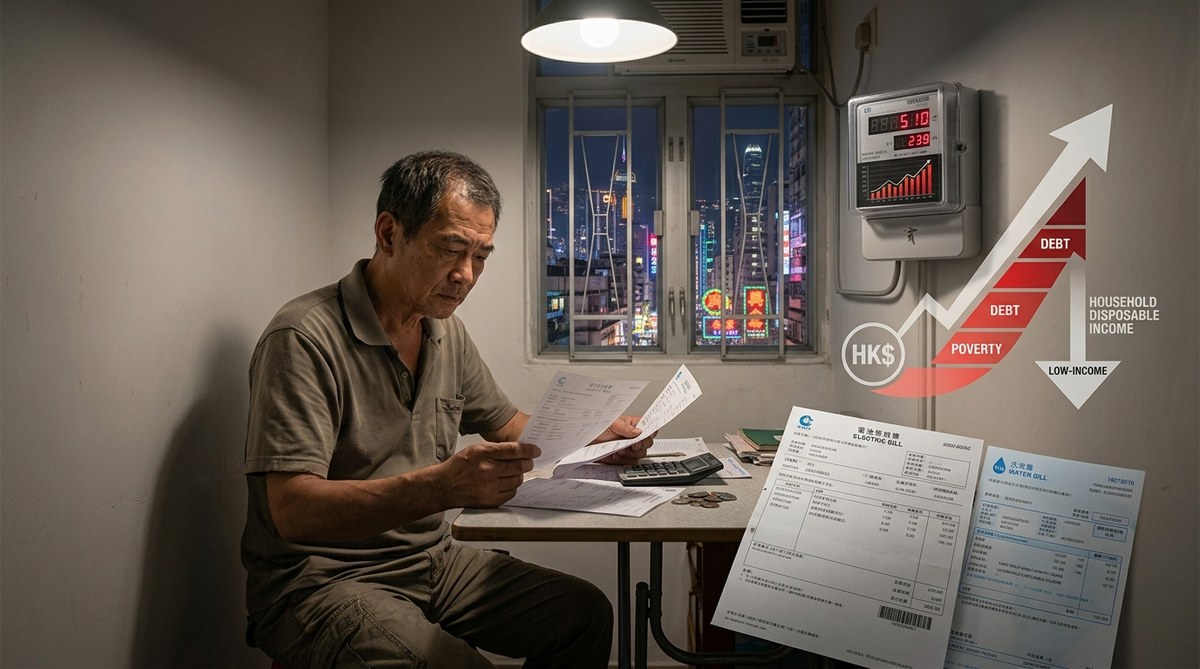
Hong Kong’s poverty rate in 2026 has shown signs of stabilization but remains high compared to international standards. Recent statistics indicate that around 20 percent of the population continues to live below the national poverty line. This figure underscores the enduring challenge of income inequality, housing affordability, and social mobility.
Several factors influence this trend. Rising property prices, stagnant wages, and limited social mobility contribute to the persistence of poverty. The government has introduced various relief measures, yet structural issues remain. For example, affordable housing availability is still insufficient to meet demand, especially for low-income families and the elderly.
How Poverty Is Measured in Hong Kong
Accurate measurement of poverty in Hong Kong goes beyond simple income analysis. The city adopts a multidimensional approach that considers factors like housing quality, access to healthcare, educational opportunities, and social inclusion. The Social Development Index (SDI) plays a vital role in capturing these facets.
Techniques for Monitoring Poverty
- Household Surveys: Regular surveys collect data on income, expenditure, and living conditions.
- Administrative Data: Cross-referencing welfare program records helps identify vulnerable groups.
- Qualitative Assessments: Community feedback and focus groups reveal lived experiences not captured numerically.
- Composite Indices: Tools like the SDI combine various indicators for a comprehensive view.
Common pitfalls in data interpretation include over-reliance on income statistics alone or neglecting regional disparities. For example, districts like Sham Shui Po and Kwun Tong have notably higher poverty levels than more affluent areas like Hong Kong Island.
The Role of the Social Development Index in Shaping Policy
The SDI has become a key framework for monitoring social progress and designing targeted interventions. It highlights areas where social inequality persists, such as access to affordable housing and healthcare services.
“A multidimensional approach to poverty measurement allows policymakers to address root causes rather than just symptoms,” advises Dr. Lisa Cheng, a social policy expert.
By tracking changes in SDI components, policymakers can evaluate the effectiveness of programs and allocate resources more efficiently. For instance, recent improvements in healthcare access in certain districts show that targeted investments can yield tangible benefits.
Policy Responses and Future Directions
Efforts to reduce Hong Kong’s poverty rate in 2026 focus on multiple fronts:
- Increasing the supply of public housing to alleviate overcrowding and reduce living costs.
- Enhancing social safety nets, including unemployment benefits and food assistance.
- Promoting inclusive education and vocational training to improve employment prospects.
- Encouraging financial inclusion and access to credit for marginalized groups.
Practical steps for policymakers include:
- Conduct comprehensive regional assessments to understand local needs.
- Implement targeted subsidies for housing, healthcare, and education.
- Strengthen community engagement to ensure policies reflect residents’ realities.
Common mistakes to avoid:
| Mistake | Explanation |
|---|---|
| Focusing solely on income | Overlooks other critical aspects like housing and health. |
| Applying uniform policies | Fails to address regional disparities. |
| Ignoring informal economy | Misses a significant part of residents’ livelihoods. |
Addressing Structural Challenges
Reducing the poverty rate in Hong Kong requires tackling systemic issues. Housing affordability remains a major obstacle, with many households spending over half their income on rent. The city’s limited land supply and high property prices make it tough to create affordable options.
Social mobility is hindered by educational disparities, employment barriers, and health inequalities. Initiatives that promote lifelong learning and skills development are vital.
Monitoring Progress and Adapting Strategies
Regularly reviewing poverty indicators, including the SDI, helps evaluate progress. Data collection must be transparent, consistent, and inclusive of marginalized communities.
Simultaneously, international best practices can inspire innovative solutions. For example, some cities have piloted universal basic income programs to address income volatility, and Hong Kong can consider similar experiments with careful evaluation.
“Data-driven policies have the power to transform social outcomes, but they require continuous monitoring and adaptation,” notes Professor Mark Liu, a social economist.
Embracing a Holistic View of Poverty
Moving beyond income alone allows Hong Kong to craft more equitable policies. Addressing housing conditions, healthcare access, educational opportunities, and social participation creates a more resilient society.
Community-based programs and cross-sector collaborations can amplify impact. For example, integrating health, housing, and employment services can better support vulnerable populations.
Keeping the Fight Against Poverty on Track
Achieving meaningful progress in reducing the Hong Kong poverty rate in 2026 involves persistence and innovation. Policymakers must prioritize data accuracy, regional needs, and long-term strategies. Engaging residents in decision-making processes ensures policies are effective and sustainable.
Remember, social progress is a collective effort. Applying comprehensive measurement tools and adopting adaptable policies can help build a more inclusive Hong Kong where opportunity is accessible for all.
A Practical Approach for Stakeholders
If you are a researcher or policymaker aiming to contribute positively, consider these steps:
- Review current poverty data and identify gaps.
- Engage with community organizations for firsthand insights.
- Design targeted interventions based on multidimensional indicators.
- Monitor and adjust policies using the latest social development metrics.
- Share findings transparently to foster accountability and collective action.
By continuously refining our understanding and responses, we can make tangible headway in reducing poverty and strengthening social cohesion in Hong Kong.
Cultivating a More Inclusive Hong Kong in 2026 and Beyond
Addressing the challenges reflected in the Hong Kong poverty rate in 2026 requires a sustained, collaborative effort. Recognizing the multidimensional nature of poverty, employing accurate measurement tools, and implementing policies rooted in data can lead to genuine improvements.
Every stakeholder, from government officials to community leaders and individuals, plays a vital role. Through targeted actions and ongoing evaluation, Hong Kong can move toward a future where economic growth benefits everyone, and social disparities diminish.



Post Comment