How Hong Kong’s Social Welfare Policies Influence Poverty Trends in 2026
Hong Kong’s social fabric continues to evolve amid rapid economic shifts and demographic changes. As the city navigates the complexities of poverty reduction, the effectiveness of social welfare policies remains a focal point for researchers, policymakers, and advocates. In 2026, understanding how these policies shape poverty trends offers valuable insights into what works and what needs improvement. This article examines the latest data, policy developments, and emerging challenges that define Hong Kong’s social landscape today.
Hong Kong’s social welfare policies in 2026 have contributed to stabilizing poverty levels, but challenges like housing costs and income inequality persist. Continuous policy refinement and targeted programs are vital for sustainable progress and social mobility in the city.
How Hong Kong’s social welfare policies shape poverty in 2026
Hong Kong has long been recognized for its economic resilience and vibrant financial sector. Yet, behind the skyline’s gleam lies a persistent struggle with poverty, especially among vulnerable groups. Social welfare policies aim to bridge this gap, but their success depends on design, implementation, and the broader economic context. In 2026, recent policy shifts focus on targeted assistance, housing affordability, and employment support, all crucial for altering poverty trajectories.
Recent policy developments and their impact
The government has continued its commitment to targeted poverty alleviation measures. These include expanding the Comprehensive Social Security Assistance (CSSA) program and introducing initiatives aimed at the elderly and disabled populations. The 2025-26 Policy Address emphasized resource allocation toward those most in need, marking a strategic shift from broad-based aid to precision targeting.
Furthermore, the inclusion of community-based programs has enhanced outreach efforts. For example, new transitional housing projects aim to reduce the number of residents living in subdivided flats or cage homes. These policy moves reflect an understanding that affordable housing remains central to reducing poverty.
Economic factors influencing poverty trends
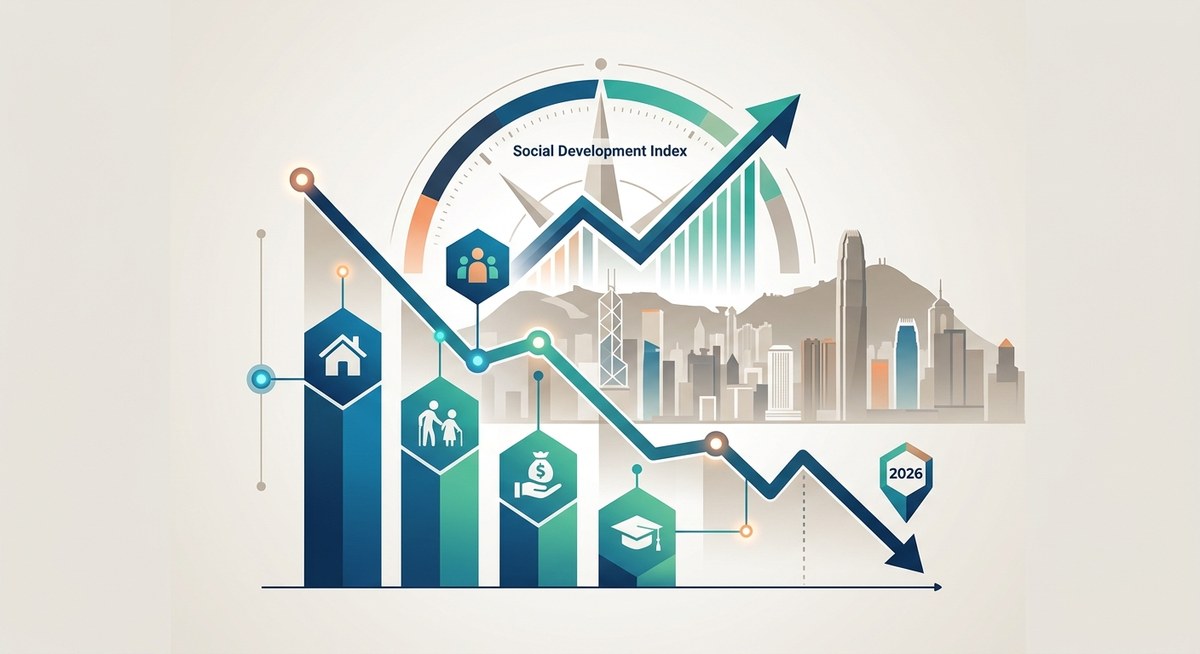
Despite these efforts, economic pressures such as rising housing costs and stagnant wages continue to challenge poverty reduction. The property market’s high prices have disproportionately affected lower-income families, making homeownership or stable rental difficult. Data from the Social Development Index indicates that housing affordability remains a key barrier to social mobility.
Meanwhile, employment opportunities in sectors like finance and technology have grown, but the gap between high- and low-income jobs has widened. Youth unemployment and underemployment continue to impact younger generations, restricting pathways out of poverty for many.
Effectiveness of welfare spending in 2026
Research from social indicators suggests that social welfare spending has contributed to a gradual decline in poverty rates over the past decade. However, the rate of decrease has slowed, highlighting the need for innovative strategies.
A recent analysis shows that welfare programs focused solely on income support are insufficient. Addressing underlying issues such as housing quality, education, and health is essential. Policymakers are increasingly adopting a holistic approach, integrating social services with economic development plans.
Practical steps for policymakers and advocates
- Assess and refine target criteria: Ensure aid reaches those most in need by updating eligibility based on current income and living conditions.
- Invest in affordable housing: Expand public housing and support policies that incentivize private sector affordable developments.
- Enhance employment programs: Focus on skills training and job placement, especially for youth and marginalized groups.
Techniques and mistakes in social welfare initiatives
| Technique | Mistake to Avoid |
|---|---|
| Holistic program design | Over-reliance on income support alone |
| Data-driven policy adjustment | Ignoring local community needs |
| Cross-sector collaboration | Fragmented service delivery |
- Bulleted list for scanning:
- Focus on housing affordability and access.
- Combine income support with education and health services.
- Monitor social development indicators regularly.
- Engage communities in policy planning.
- Prioritize vulnerable groups like the elderly and disabled.
Expert advice: “Effective poverty reduction in Hong Kong hinges on integrating social welfare with broader economic policies. Tailoring programs to local needs and continuously evaluating outcomes are key to making meaningful progress,” advises Dr. Elaine Wong, a social policy analyst.
Persistent challenges and opportunities for 2026
While progress is evident, several hurdles remain. Income inequality continues to widen despite social spending. The Social Development Index shows disparities across districts, with some areas experiencing more significant poverty rates.
Housing remains the primary challenge. Nano flats and subdivided units reflect the severe shortage of affordable homes. The government has committed to increasing public housing supply, but lengthy wait times and limited land remain obstacles.
Health disparities also influence poverty dynamics. Access to mental health services and preventative care varies across socioeconomic groups. Addressing these gaps can prevent poverty-related health crises.
How data guides policy refinement
Monitoring key indicators allows policymakers to adapt strategies effectively. For instance, tracking the number of residents in subdivided flats highlights the urgency of housing reforms. Similarly, analyzing employment data reveals sectors where job growth can be fostered to lift families out of poverty.
Mistakes to avoid in social welfare planning
| Technique | Mistake to Avoid |
|---|---|
| Overgeneralizing programs | Neglecting specific community needs |
| Ignoring demographic shifts | Failing to adapt to aging population |
| Relying solely on financial aid | Overlooking social determinants like health and housing |
Remember that community involvement and data-driven adjustments significantly improve program outcomes. Regular feedback from residents helps ensure policies remain relevant and effective.
Building a more equitable social safety net
Hong Kong’s social welfare system has evolved significantly over the years. Yet, the journey toward eliminating poverty requires ongoing commitment and innovation. In 2026, integrating welfare programs with economic policies, such as housing and employment, offers a comprehensive pathway forward.
Strengthening social mobility involves not only increasing aid but also removing barriers like high housing costs and educational disparities. For example, expanding scholarships and vocational training can open new pathways for those at risk.
How to implement effective social policies
- Prioritize data collection and analysis: Use social indicators to identify gaps and measure progress.
- Coordinate across sectors: Foster collaboration between housing, health, education, and employment agencies.
- Engage communities actively: Include residents’ voices in designing and evaluating programs.
- Focus on early intervention: Support children and youth to break the cycle of poverty early on.
- Ensure transparency and accountability: Regular reporting builds trust and sustains political support.
Rediscovering social resilience in Hong Kong
As the city adapts to new social and economic realities, the resilience of its social welfare system will determine future outcomes. The 2026 landscape underscores that targeted, well-designed policies can stabilize poverty and promote upward mobility.
By continuously monitoring social development indices, engaging communities, and refining strategies, Hong Kong can turn challenges into opportunities. Every effort, big or small, can contribute to a fairer, more inclusive city.
Fostering social progress through informed action
Ultimately, understanding the nuances of Hong Kong’s social welfare policies and their influence on poverty trends helps shape smarter, more compassionate solutions. Whether you’re a researcher, policymaker, or advocate, leveraging data and community insights can foster meaningful change. Keep evaluating, refining, and collaborating—your work can make a real difference in the lives of countless residents.

Post Comment