
How Hong Kong’s Poverty Rate Is Predicted to Change in 2026 and What It Means for Social Policy
Hong Kong’s social landscape is shifting rapidly, and understanding the future of its poverty rate is more crucial than ever. As the city navigates economic, demographic, and policy changes, experts are closely watching how these factors influence poverty levels in 2026. Recent forecasts suggest that the poverty rate may see modest fluctuations, but the real story lies in how social policies adapt to these changes. For policymakers, researchers, and advocates, grasping these trends is essential to shaping an inclusive future.
The predicted Hong Kong poverty rate 2026 reflects ongoing economic and social adjustments. Proactive policies focusing on housing, social welfare, and income equality are vital to reducing poverty. Monitoring these trends helps craft effective strategies for a more inclusive city, ensuring vulnerable populations are supported amid evolving challenges.
Recent Trends and Predictions for Hong Kong’s Poverty Rate in 2026
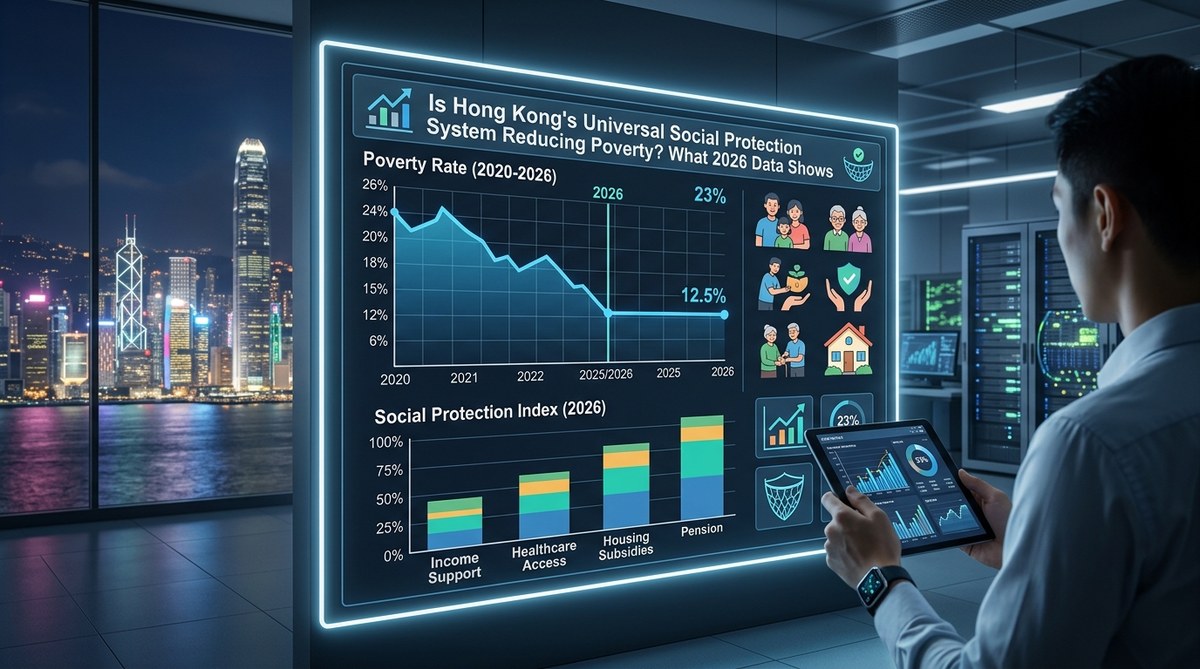
Forecasting the future poverty landscape in Hong Kong involves analyzing a variety of indicators, including income levels, housing affordability, and social policies. The Social Development Index indicates that while some progress has been made, disparities persist across districts and demographic groups. Experts estimate that the poverty rate could hover around 20 percent in 2026, with slight increases or decreases depending on economic growth and policy effectiveness.
The city’s economic resilience, shaped by factors such as tourism recovery, financial sector stability, and technological innovation, influences poverty trends. However, structural issues like housing scarcity and income inequality continue to challenge efforts to lower poverty levels. For policymakers, understanding these dynamics is critical to designing targeted interventions that address root causes rather than just symptoms.
Factors Influencing the Poverty Rate in 2026
Several key elements are expected to impact the Hong Kong poverty rate in 2026:
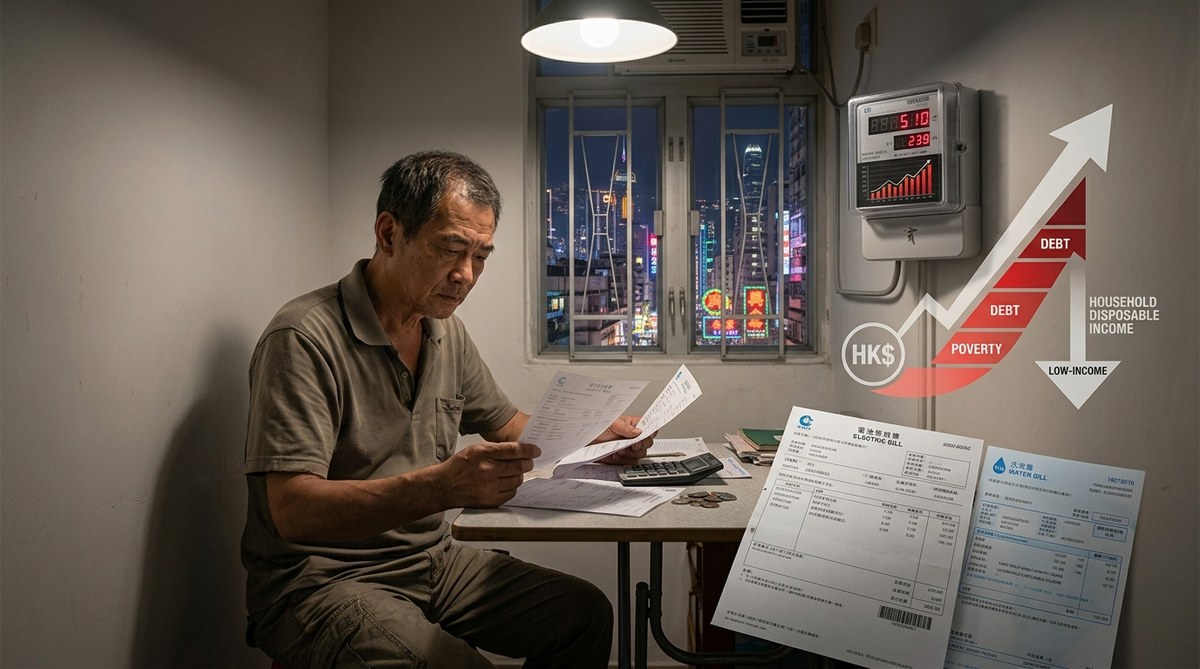
- Housing costs and availability: The high cost of housing remains a primary driver of poverty. Subdivided flats and nano apartments are common among low-income households, making housing affordability a central concern.
- Wage growth and employment: While minimum wages have increased steadily, underemployment and job insecurity still affect many workers. The rise of gig and part-time work adds complexity to income stability.
- Social welfare policies: Recent reforms aim to expand social safety nets, but gaps remain. The effectiveness of welfare programs will significantly influence poverty reduction.
- Demographic shifts: An aging population increases demand for social services, while youth unemployment hampers upward mobility for younger generations.
- Technological change and automation: Automation threatens to displace certain jobs, potentially widening income gaps if social policies do not keep pace.
How to Keep Track of Poverty Trends
- Monitor statistical updates: Regularly check official reports from the Census and Statistics Department, focusing on district-level data.
- Analyze social development scores: Use the Social Development Index to identify areas with rising inequality.
- Evaluate policy impacts: Review recent social welfare reforms and their outcomes.
- Engage with community feedback: Listen to local voices to understand lived experiences behind the data.
- Follow economic indicators: Track employment rates, wage growth, and housing affordability metrics.
Practical Steps for Social Policy Development in 2026
To effectively address the anticipated shifts in the poverty rate, policymakers should consider these approaches:
- Enhance affordable housing initiatives: Increase investment in public housing and subsidized rentals. Streamline approval processes to speed up construction.
- Expand social safety nets: Broaden eligibility for welfare programs and increase benefit levels where needed.
- Promote income equality: Implement progressive tax policies and support workforce upskilling, especially in vulnerable sectors.
- Invest in social infrastructure: Strengthen access to healthcare, education, and mental health services.
- Encourage inclusive growth: Foster economic opportunities for marginalized groups and support small businesses in disadvantaged districts.
Techniques and Mistakes to Avoid
| Techniques | Common Mistakes to Avoid |
|---|---|
| Data-driven policy making | Relying solely on income statistics without considering regional disparities |
| Intersectoral coordination | Ignoring the social determinants of poverty, such as education and health |
| Community engagement | Overlooking local voices, especially from marginalized groups |
| Long-term planning | Focusing on short-term fixes instead of sustainable solutions |
| Regular monitoring | Neglecting to update policies based on new data and trends |
“Successful social policies require a nuanced understanding of local realities and continuous adaptation. Ignoring the social fabric risks leaving vulnerable populations behind,” advises Dr. Nguyen, a social policy expert.
Addressing Structural Challenges for a Brighter Future
Hong Kong faces deep-rooted structural issues that influence its poverty landscape. Housing shortages and skyrocketing property prices make affordability a persistent hurdle. Income inequality remains high, further complicating efforts to achieve social mobility. To make meaningful progress, the city must pursue comprehensive reforms that include:
- Reforming land and housing policies to increase supply
- Supporting marginalized communities through targeted programs
- Strengthening education and skills training to uplift low-income families
- Improving healthcare access, especially for the elderly and chronic illness sufferers
By tackling these challenges head-on, Hong Kong can create a more resilient social safety net that adapts to future demands.
How Data Can Guide Better Social Policies
Accurate, accessible data plays a vital role in shaping effective interventions. By closely monitoring the social development index, employment figures, housing affordability, and other key indicators, policymakers can identify emerging issues early. Data-driven insights enable the design of targeted programs that address specific needs, rather than applying broad solutions that may miss vulnerable groups.
For example, districts like Sham Shui Po and Kwun Tong consistently show higher poverty levels. Tailored initiatives, such as localized affordable housing projects and community support programs, can make a real difference.
Final Thoughts on Building a More Inclusive Hong Kong
As we look toward 2026, the goal is clear: reduce poverty through thoughtful, inclusive policies that consider the diverse needs of Hong Kong’s population. The city’s future depends on how well it balances economic growth with social equity. By utilizing robust data, engaging communities, and embracing innovative solutions, Hong Kong can move closer to a society where opportunity is accessible to all.
For social advocates and policymakers alike, the key lies in continuous learning and adaptation. Keep a close eye on emerging trends and remain flexible in your strategies. Small, consistent efforts now can lead to lasting change for the city’s most vulnerable residents.
Charting a Path Forward for Hong Kong’s Social Wellbeing
Understanding the dynamics behind the Hong Kong poverty rate 2026 is just the beginning. The real work involves translating insights into action that uplifts communities and fosters resilience. As the city evolves, so must its social policies. Stay informed, collaborate widely, and prioritize inclusivity—your efforts can shape a future where poverty no longer defines Hong Kong’s social landscape.


Post Comment