
Analyzing Hong Kong’s Poverty Trends in 2026: Insights from the Latest Data
Hong Kong has long been celebrated for its impressive skyline, bustling economy, and vibrant culture. Yet beneath this prosperity lies a persistent challenge: poverty. As 2026 unfolds, understanding the current state of poverty in Hong Kong is more crucial than ever. Recent data shows that despite economic growth, a significant portion of the population continues to face hardship. This article dives into the latest poverty trends, revealing the social dynamics, policy impacts, and future challenges shaping Hong Kong’s social fabric.
In 2026, Hong Kong’s poverty rate remains high despite economic growth. Factors like housing costs, income inequality, and social policy effectiveness continue to influence social disparities. Addressing these issues requires targeted strategies and comprehensive data analysis to foster more inclusive growth.
The Current State of Poverty in Hong Kong
Hong Kong’s reputation as a global financial hub often overshadows its social inequities. According to the latest statistics, over 1.3 million residents live below the official poverty line. This means that despite wealth generation, many families struggle to meet basic needs such as housing, education, and healthcare. The poverty rate has shown slight fluctuations in recent years, but the overall picture remains one of persistent hardship for vulnerable groups.
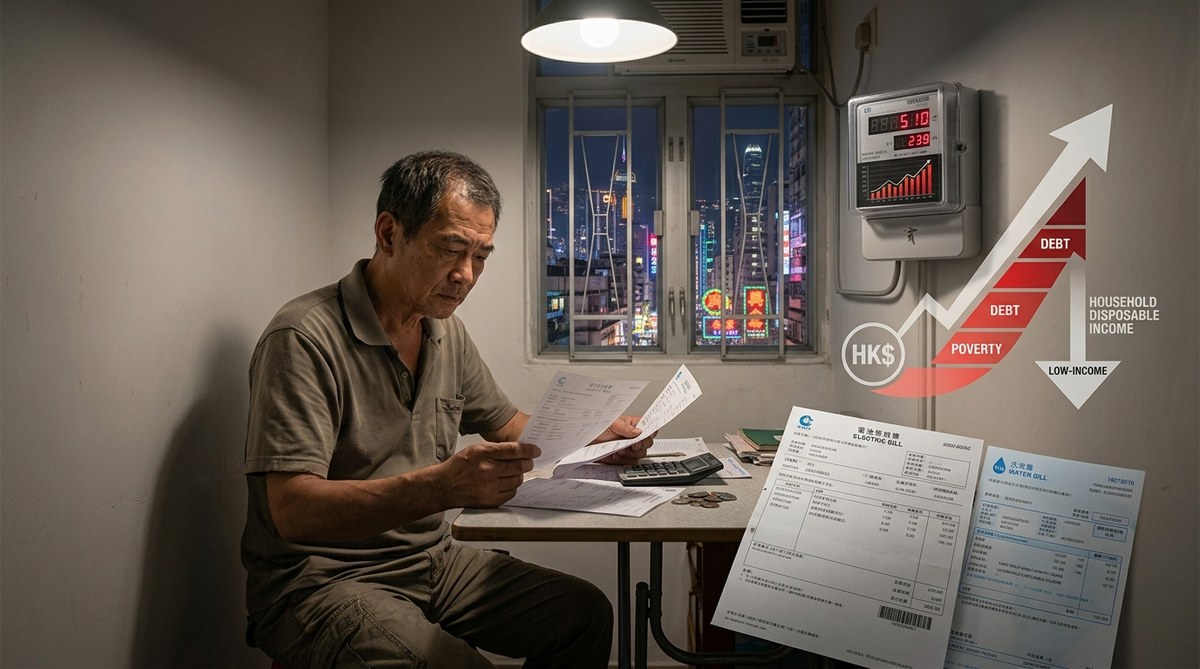
Housing affordability is a primary driver of poverty. The city’s property prices continue to soar, making homeownership unattainable for many. Subdivided flats and nano- apartments are common among low-income households, reflecting a severe housing shortage and rising living costs. These cramped living conditions impact residents’ physical and mental health, fueling cycles of poverty.
Income inequality in Hong Kong has widened over the past decades. The Gini coefficient, a measure of income disparity, remains high, indicating a significant gap between the wealthy and the poor. The wealthiest sectors benefit from rapid economic growth, while low-income workers often see minimal wage increases. This imbalance hampers social mobility and reinforces poverty cycles.
Key Factors Shaping Poverty Trends in 2026
Several social and economic factors influence poverty in Hong Kong today. Understanding these elements can help policymakers and advocates design more effective solutions.
Housing Costs and Living Expenses
Housing remains the most significant burden for low-income households. The median property price-to-income ratio has reached alarming levels, making it nearly impossible for families to afford stable housing without substantial support. Rents also continue to rise, squeezing household budgets and pushing more residents into poverty.
Employment and Income Stability
While Hong Kong’s unemployment rate remains relatively low, many workers occupy insecure or part-time jobs with limited benefits. The rise of gig work and contract employment has created a precarious labor market. The working poor often earn just enough to stay afloat but lack the resources to escape poverty.
Social Welfare Policies and Their Impact
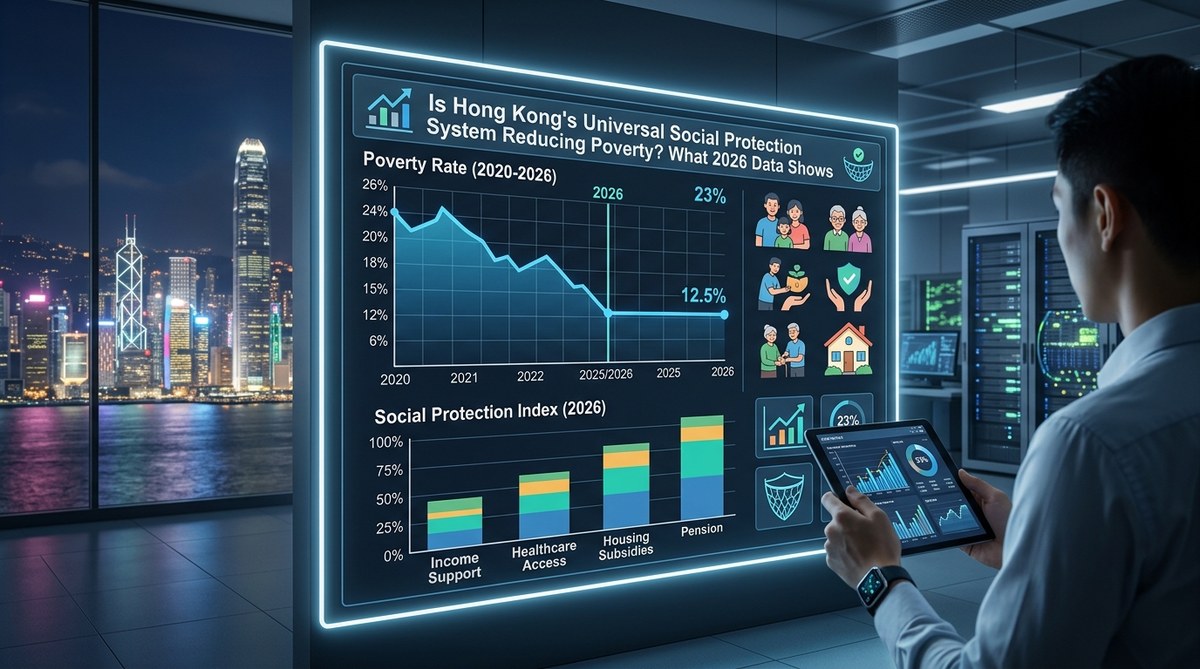
Hong Kong has implemented various welfare programs aimed at alleviating poverty. These include unemployment benefits, social assistance, and public housing schemes. However, critics argue that these measures are insufficient or poorly targeted. Data shows that despite increased welfare spending, poverty rates have not declined significantly, highlighting the need for policy refinement.
Educational and Health Disparities
Educational attainment and health outcomes are closely linked to socioeconomic status. Low-income families often face barriers to quality education and healthcare, limiting social mobility. Children from impoverished backgrounds are less likely to access higher education or stable employment, perpetuating poverty across generations.
Practical Strategies for Addressing Poverty in 2026
Efforts to reduce poverty in Hong Kong require a combination of data-driven policies and community engagement. Here are three practical steps policymakers and advocates can take:
-
Improve Housing Accessibility: Expand public housing projects and introduce rent control measures to make housing more affordable. This can alleviate financial stress and improve living conditions for low-income families.
-
Enhance Social Safety Nets: Fine-tune welfare programs to target the most vulnerable populations. Implement income support measures that respond to rising living costs and ensure equitable access to healthcare and education.
-
Promote Skill Development and Employment: Invest in vocational training and lifelong learning programs. Support sectors with growth potential to create stable, well-paying jobs for the working poor.
Techniques for Effective Social Policy
| Techniques | Common Mistakes |
|---|---|
| Data collection and analysis | Relying on outdated or incomplete data |
| Targeted program design | Overgeneralizing needs or misallocating resources |
| Community engagement | Ignoring local voices and insights |
| Policy evaluation | Failing to monitor and adapt strategies over time |
Monitoring Progress and Avoiding Pitfalls
Regularly tracking social indicators such as the Social Development Index helps identify evolving needs and measure policy impact. Experts advise avoiding certain mistakes like insufficient stakeholder involvement or neglecting long-term sustainability when designing social programs.
“Effective poverty reduction hinges on understanding the root causes and continuously refining policies based on solid data,” notes Dr. Lisa Chen, a social policy researcher. “Without ongoing assessment, efforts risk becoming ineffective or even counterproductive.”
The Role of Data in Building a Fairer Hong Kong
Accurate data collection and analysis are vital for understanding poverty dynamics. The latest social indicators reveal nuanced patterns—such as demographic disparities and regional differences—that can inform targeted interventions. Leveraging data helps prioritize resources, track progress, and avoid common pitfalls like misallocation or neglect of marginalized groups.
How Automation and Technology Influence Poverty
Automation and digital technology have the potential to reshape social policy in Hong Kong. While automation can displace certain jobs, it also opens avenues for new employment and skills development. Monitoring these trends ensures that technological progress benefits all residents, especially those at risk of falling behind.
Moving Toward Greater Social Equity
Hong Kong’s journey toward reducing poverty in 2026 is ongoing. Addressing deep-rooted issues like housing affordability, income disparity, and social exclusion requires a comprehensive approach. By continuously analyzing social indicators and refining policies, the city can foster a more inclusive environment where everyone has a fair chance to thrive.
Building Resilience for the Future
The key to overcoming poverty lies in resilience—both social and economic. Investing in education, healthcare, and community programs creates a solid foundation for vulnerable populations. It is essential to adapt strategies based on new data and emerging challenges, ensuring that social progress is sustainable and equitable.
Final Thoughts on Social Progress in Hong Kong
Understanding the latest poverty trends highlights the importance of informed, targeted action. While challenges remain, Hong Kong has the capacity to advance social equity through data-driven policies, community collaboration, and ongoing assessment. As residents, policymakers, or researchers, applying these principles helps build a city where prosperity is shared more fairly. Taking small, deliberate steps now can lead to meaningful change tomorrow.


Post Comment