
5 Key Economic Reforms That Could Reduce Poverty in Hong Kong by 2030
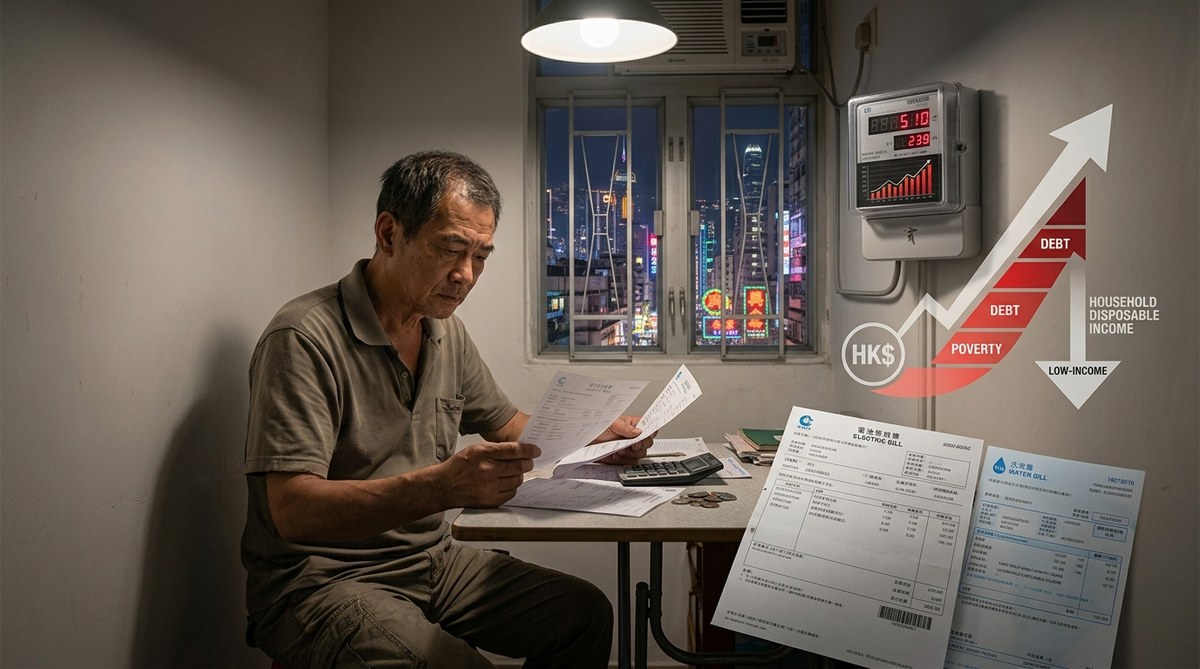
Hong Kong is one of the world’s wealthiest cities, yet nearly one in five residents lives below the poverty line. The gap between rich and poor has widened for years, and after adjusting for inflation, the cost of essentials keeps climbing. The government’s own poverty line revision in 2026 showed that a single elderly person needs more than HKD 5,000 a month just to cover basic needs, a figure that has jumped by over 15% since 2021. Without serious structural change, these numbers will only get worse.
That is where the right mix of economic reforms comes in. Policy researchers, economists, and NGOs have been studying what works in other high-income cities and how to adapt those lessons to Hong Kong. The goal is clear: a measurable reduction in poverty by 2030, measured against the Social Development Index and concrete household income data. Let us walk through five key reforms that could actually make that happen.
Hong Kong can reduce poverty by 2030 through five targeted economic reforms: expanding conditional cash transfers, investing in skill reskilling for the modern economy, boosting affordable housing supply, strengthening wage protections, and promoting digital financial inclusion. Each reform addresses a different driver of poverty, and together they form a coordinated strategy backed by real world data and international precedent.
The Urgent Case for Structural Reform
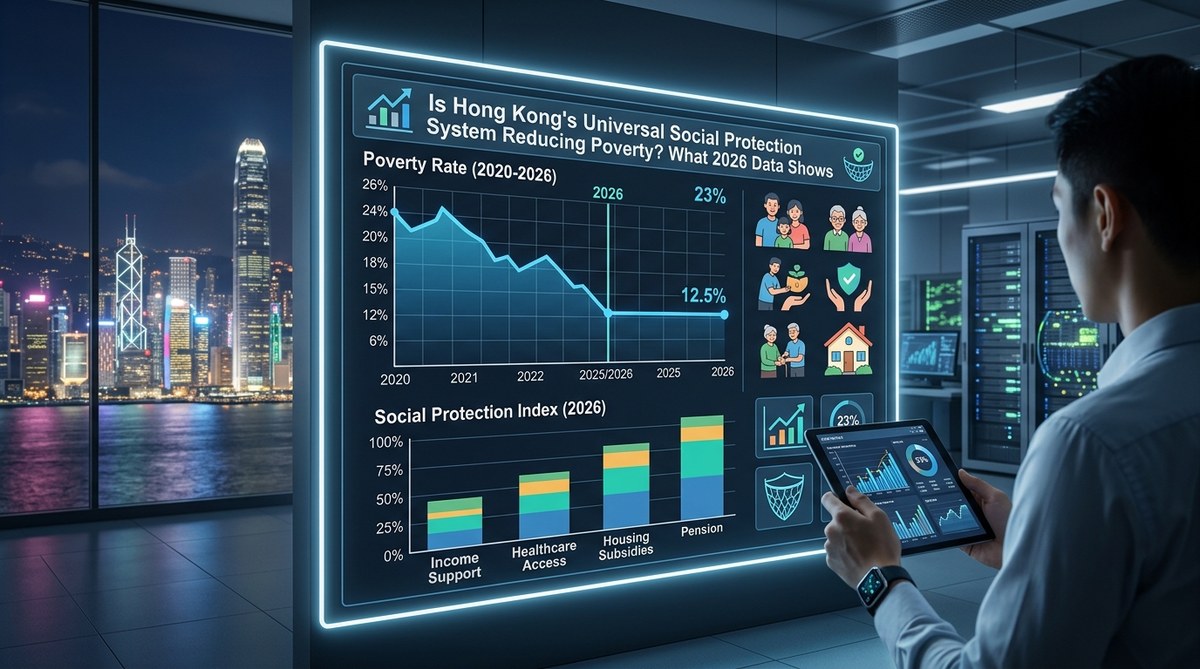
Poverty in Hong Kong is not just about low wages. It is about the cost of housing, limited social mobility, and a safety net that does not stretch far enough. The latest data from the Hong Kong Poverty Situation Report shows that the overall poverty rate (after policy intervention) remains stubbornly above 13%. When you factor in the working poor many families with jobs but still below the poverty line the number is even higher.
The Social Development Index, which tracks well being across multiple domains, has flagged stagnation in economic opportunity and housing affordability. For a city that prides itself on resilience, these indicators are flashing red. The good news is that the next few years offer a window to act. By 2030, demographic shifts will bring a much larger elderly population, and the cost of inaction grows every year.
To understand the full picture, it helps to see how how income inequality in Hong Kong has evolved over three decades. That long view shows that while GDP has grown, the benefits have concentrated at the top. Any reform package must deliberately redistribute opportunity.
Reform 1: Expanding the Social Safety Net with Conditional Cash Transfers
Hong Kong already has social welfare programs, but they are often fragmented and insufficient. A targeted conditional cash transfer program could make a real difference. These are payments that come with requirements like sending children to school or getting regular health checkups. Singapore and South Korea have used versions of this approach to reduce deep poverty among families with children.
For Hong Kong, the most effective design would focus on households with children under 18 and elderly adults living alone. The cash should be enough to close the gap between a household’s income and a basic needs budget. In return, families must demonstrate school attendance for kids and annual health screenings for seniors.
“Conditional cash transfers are not a handout. They are an investment in human capital. When you tie payments to education and health, you break the cycle of poverty in one generation.” Dr. Mei Ling Chen, Hong Kong Institute of Social Policy
The evidence is strong. A review of similar programs in East Asia found that every dollar spent generated nearly three dollars in long term economic gains through higher earnings and lower healthcare costs. For Hong Kong, does social welfare spending reduce poverty? Analyzing two decades of evidence shows that programs with clear conditions perform better than unconditional ones. The key is targeting not to everyone, but to those who need it most.
Reform 2: Investing in Skills and Reskilling for the 21st Century Economy
The labor market in Hong Kong is changing. Automation and artificial intelligence are replacing routine jobs in retail, logistics, and clerical work. At the same time, new roles in fintech, green energy, and healthcare go unfilled because workers lack the right skills. A massive reskilling effort is needed, and it must reach the people currently stuck in low wage work.
Here is a practical five step plan to build a citywide reskilling system that actually works:
- Map the gap. Use labor force data to identify the top ten occupations with the highest projected decline and the top ten with the highest projected growth. Publish this list every year so workers and trainers know where to focus.
- Design modular courses. Break skills into short, stackable certificates. A worker can learn basic digital literacy in eight weeks, then add data entry, then progress to customer relationship management software.
- Partner with employers. Companies that commit to hiring graduates of the program should get tax credits. The training must lead to a job, not just a certificate.
- Provide income support during training. A stipend equal to 60% of the median wage ensures that people can afford to step away from work while they learn.
- Track outcomes publicly. Every six months, publish employment rates and salary gains by program. This transparency keeps quality high and builds public trust.
When you look at understanding the working poor: employment statistics that challenge common assumptions, you see that many people in poverty actually work full time. They just work in sectors with low wages and few advancement opportunities. A reskilling program that leads to better paying jobs is one of the most direct ways to lift them out of poverty.
Reform 3: Tackling Housing Affordability Through Supply Side Reforms
Housing is the single biggest expense for most Hong Kong families. The ratio of median home price to median household income is over 20 to 1, one of the highest in the world. Public housing wait times stretch to five years or more. Until the supply of affordable homes increases significantly, other poverty reduction efforts will be like trying to fill a bathtub with the drain open.
What can be done? Here are the key interventions that have worked in other dense cities:
- Release more land for public housing. The New Territories have undeveloped areas that could host new towns with mixed income developments.
- Use vacant commercial space. Office vacancies hit record highs in the mid 2020s. Converting some of this space into residential units, especially for young families and elderly, could add tens of thousands of units.
- Expand rent control for subdivided flats. Over 200,000 people live in subdivided flats with no lease protections and unpredictable rent hikes. A citywide cap on annual rent increases, tied to the Consumer Price Index, would provide stability.
- Offer tax incentives for landlords who keep rents low. A property tax reduction for units rented at 30% below market rate could encourage more landlords to participate in affordable housing programs.
The connection between housing and poverty is deep. Families that spend more than half their income on rent have almost no money left for education, health, or savings. The hidden cost of living crisis: tracking essential expenses vs wage growth since 2010 shows that rent has outpaced wage growth by nearly 40% over the past 15 years. That gap has to close. For advocates, tracking 5 critical housing indicators every policy advocate should monitor can help keep the pressure on decision makers.
Reform 4: Strengthening the Minimum Wage and Collective Bargaining
Hong Kong’s statutory minimum wage has been raised several times, but it still lags behind what is needed for a decent living. In 2026, the minimum wage is HKD 42.5 per hour. A full time worker earning that wage brings home about HKD 8,800 per month, which is below the poverty line for a family of two. That does not add up.
A better approach would combine a higher minimum wage with stronger collective bargaining rights. Here is a comparison of the current situation and what a reformed system could look like:
| Aspect | Current Policy | Proposed Reform | Expected Impact |
|---|---|---|---|
| Minimum wage level | HKD 42.5/hour | HKD 55/hour (phased over 3 years) | Lifts full time workers above poverty line for singles and smaller households |
| Coverage | Most employees | All workers including domestic helpers and gig workers | Adds 300,000 workers to protections |
| Bargaining units | Voluntary, weak | Sector level committees with mandatory employer participation | Gives workers a collective voice to negotiate benefits and working conditions |
| Enforcement | Complaints based | Proactive audits in high risk sectors (cleaning, security, food service) | Reduces wage theft and underpayment |
A minimum wage increase alone is not enough. Without enforcement, employers find ways around it. And without collective bargaining, workers in low wage sectors cannot address issues like unpaid overtime or unsafe conditions. When these protections are combined, the evidence from other economies shows a clear drop in working poverty rates. For more context, the real impact of minimum wage increases on poverty reduction since implementation shows that each increase has helped, but the base level needs to be higher.
Reform 5: Digital Financial Inclusion for the Unbanked
A surprising number of Hong Kong residents lack access to basic financial services. Without a bank account, it is hard to save, borrow, or receive government payments efficiently. Many low income workers rely on cash, which makes them vulnerable to theft and makes it harder to build a credit history.
Digital financial inclusion means making sure everyone can use mobile payments, digital savings accounts, and small scale insurance products. Hong Kong has the infrastructure, but adoption among the poor is low because of trust issues, literacy barriers, and the cost of smartphones or data.
To fix this, the government could partner with fintech companies to offer a “basic financial account” for free, with a government backed deposit insurance up to HKD 500,000. These accounts would allow automatic payroll deposit, bill payment, and micro insurance. Training workshops run through community centers and NGO networks would teach people how to use the tools safely.
Research on evaluating the impact of digital financial access on poverty reduction in Hong Kong in 2026 suggests that even a small increase in digital access reduces the share of people who borrow from informal lenders at high interest rates. That is a direct poverty reduction win.
How These Reforms Work Together
No single reform will end poverty. But when you stack them, they reinforce each other. Cash transfers keep families stable while a parent trains for a new career. Affordable housing frees up income that can be saved or spent on education. Digital accounts make it easier to receive welfare payments and save for emergencies. Higher wages and bargaining power mean that the new skills actually translate into better pay.
Policy makers should think of this as a system, not a menu of options. The Social Development Index provides the dashboard to track progress. For example, if the housing affordability indicator improves by 10% and the income inequality indicator follows, you know the approach is working.
To see how these reforms connect to the broader economic picture, what do 20 years of GDP data reveal about Hong Kong’s economic resilience shows that periods of strong growth did not automatically reduce poverty. That only happens when growth is shared. The reforms above are designed to make sharing built into the system.
Looking Ahead: A Realistic Path to 2030
The year 2030 is only four years away. That is enough time to show meaningful results if action starts now. The first year should focus on design and pilot programs. Year two and three can roll out the full reforms. By year four, the first round of impact data will be available.
Hong Kong has the money, the data, and the institutions to do this. What it needs is the political will to prioritize poverty reduction as a measurable goal, not just a talking point. For researchers and advocates, the task is to keep the evidence front and center. Share the data. Cite the studies. Hold decision makers accountable.
If you are working on these issues, start by reviewing the latest poverty line revision and comparing it to household budget surveys. Map the gaps in your own district or sector. Use the Social Development Index as your baseline. And remember that every reform, no matter how small, moves the needle when it is part of a coherent strategy.
The people of Hong Kong deserve a city where a full time job means a decent life, where a family can afford a home, and where no one has to choose between food and rent. These five economic reforms are not a wish list. They are a roadmap. The only question is whether we will start walking.


Post Comment