
How Social Mobility Has Changed in Hong Kong Over the Last Two Decades
Social mobility in Hong Kong has undergone significant shifts over the past twenty years. For decades, Hong Kong has been celebrated for its vibrant economy and opportunities. Yet, beneath the surface, patterns of social mobility reveal complex stories about inequality, education, housing, and economic stability. Understanding these long-term changes helps residents, researchers, and policymakers grasp where Hong Kong is headed and what challenges remain. This journey through data and social indicators offers a clear view of how social mobility has evolved in one of Asia’s most dynamic cities.
Over the last two decades, social mobility in Hong Kong has experienced both progress and setbacks. While educational attainment and economic opportunities have improved for some, rising housing costs and income inequality continue to pose barriers. Monitoring social indicators and understanding these trends is essential for shaping equitable policies and fostering a society where everyone can thrive.
The changing landscape of social mobility in Hong Kong
Social mobility is about the ability of individuals or families to improve their social and economic standing over time. In Hong Kong, this concept is closely tied to access to quality education, affordable housing, employment opportunities, and social services. Over the last twenty years, these factors have fluctuated, influenced by economic cycles, demographic shifts, and policy changes.
During the early 2000s, Hong Kong experienced rapid economic growth, which helped many climb the social ladder. Education became more accessible, and the city’s reputation as a global financial hub attracted talent from across the region. However, as years passed, signs of strain appeared. Housing prices soared, making homeownership increasingly out of reach for many. Income disparities widened, and social mobility for lower-income groups faced new hurdles.
Long-term trends revealed by social indicators
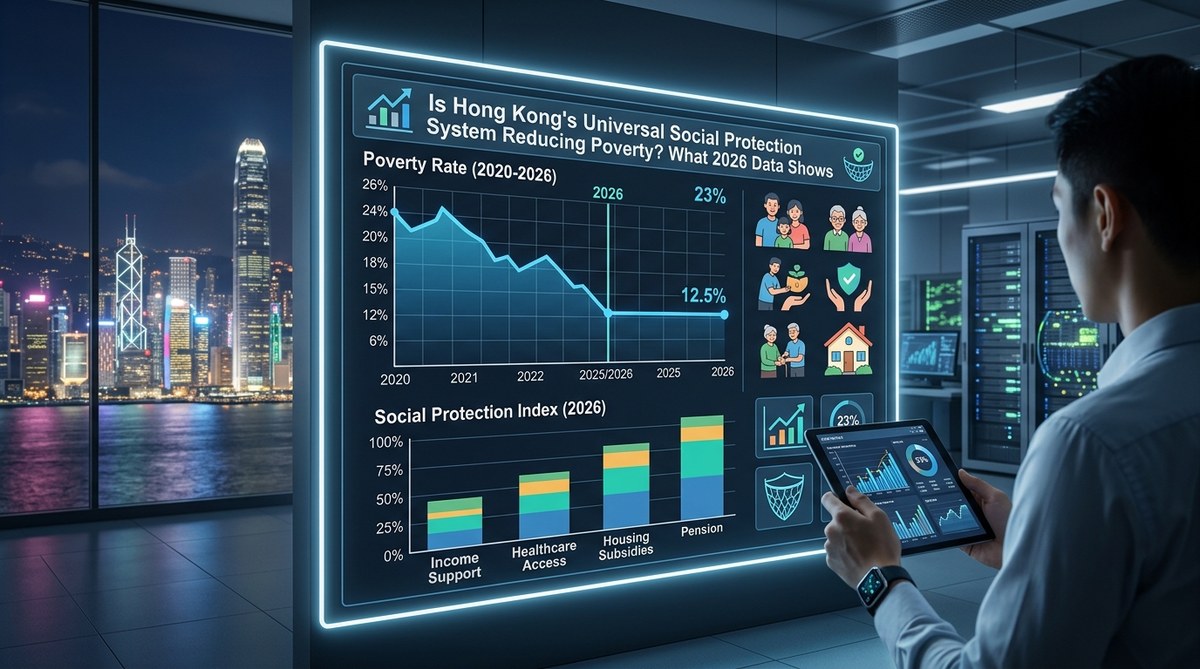
Tracking social mobility involves examining various indicators. These include income levels, educational attainment, housing conditions, and health outcomes. The Social Development Index, which monitors these factors, paints a nuanced picture of how Hong Kong’s society has shifted.
Education and upward mobility
Education has long been a key driver of social mobility. Over the past twenty years, Hong Kong has seen significant improvements in access to quality education. More students from diverse backgrounds attend higher education institutions than ever before. Data shows that tertiary enrollment rates increased steadily from around 20 percent in the early 2000s to over 50 percent today. This progress has enabled many young residents to secure better-paying jobs and improve their social standing.
However, disparities persist. Students from wealthier families often have access to better resources, private tutoring, and overseas education opportunities. This gap can limit social mobility for lower-income students, especially when combined with rising living costs.
Income inequality and its impact
Income inequality remains a core challenge. The Gini coefficient, a common measure of income disparity, has hovered around 0.54 in recent years. While some fluctuations are natural, this level indicates a significant gap between the highest and lowest earners. This disparity affects social mobility, as children from wealthier families tend to access better education and housing, perpetuating cycles of privilege.
Housing as a barrier or enabler
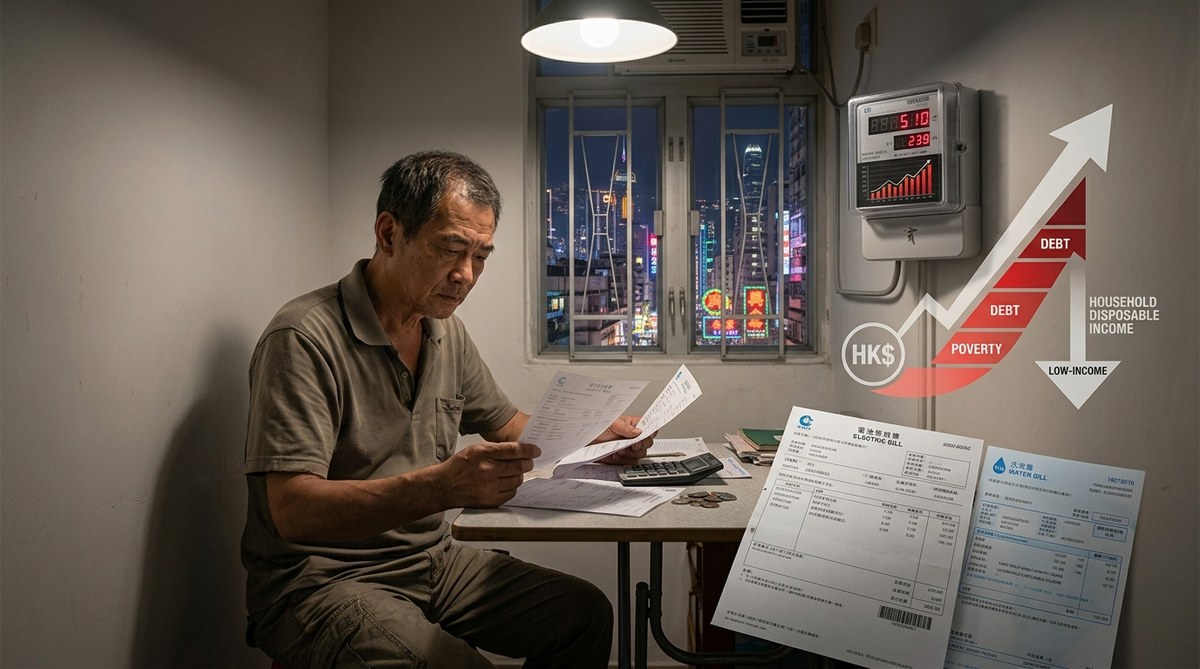
Housing affordability is perhaps the most pressing concern. The property price-to-income ratio in Hong Kong is among the highest globally. Many families spend over half of their income on housing costs. This situation limits mobility, as young adults struggle to buy homes or even afford rents in desirable districts.
The housing shortage has led to a rise in subdivided flats and nano apartments, which often lack stability or safety. Such conditions hinder residents’ ability to invest in education or career development, creating barriers to upward mobility.
Health and social well-being
Health outcomes often intersect with social mobility. Longer life expectancy and better healthcare access have improved overall health. Yet, health disparities persist along income and housing lines. The Social Development Index indicates that lower-income residents experience higher rates of chronic illness and limited access to mental health services.
How residents can navigate social mobility challenges
Understanding the trends is the first step. Here are practical steps for residents and policymakers to foster social mobility:
- Prioritize education access for disadvantaged groups
Support programs that provide scholarships, tutoring, and early childhood education to lower-income families. - Advocate for affordable housing solutions
Encourage policies that increase public housing supply and regulate property prices. - Promote fair employment opportunities
Strengthen labor protections and skills training programs for vulnerable workers.
Monitoring social mobility with data
To truly grasp how social mobility changes, it’s essential to examine statistical data carefully. Researchers utilize techniques such as longitudinal studies, income tracking, and survey analysis. These methods reveal patterns that can inform policies aimed at reducing inequality.
| Technique | Purpose | Common Mistakes |
|---|---|---|
| Longitudinal studies | Track individual progress over time | Ignoring attrition bias |
| Income data analysis | Measure economic mobility | Relying on snapshot data rather than trends |
| Surveys | Capture perceptions and social factors | Small or unrepresentative samples |
“Data provides the backbone for understanding social mobility. Without careful analysis, policies risk misfiring or missing key issues,” advises Dr. Lee, a social policy expert.
Key pitfalls to avoid
- Relying solely on income levels ignores other vital factors like health and education.
- Using outdated or incomplete data can lead to misinterpretation.
- Overlooking regional differences within Hong Kong may mask inequalities.
The role of public policy in shaping social mobility
Hong Kong’s government has implemented various initiatives aimed at reducing barriers. These include expanding early childhood education, increasing public housing, and promoting inclusive employment. Nonetheless, challenges remain, especially in balancing economic growth with social equity.
Recent policies have begun to address housing affordability through new public housing projects and subsidies. Education reforms aim to bridge gaps for disadvantaged students. Yet, critics argue that more comprehensive strategies are needed to make real progress.
Aiming for a more equitable future
Long-term social mobility depends on sustained efforts. By monitoring social indicators regularly and understanding their interconnections, Hong Kong can craft policies that support all residents. Building an inclusive society requires attention to education, housing, health, and economic opportunities.
Residents can contribute by engaging with community programs, advocating for fair policies, and staying informed about social trends. Small actions, combined with strategic policy changes, can help bridge gaps and create pathways for upward mobility.
Scaling social progress in Hong Kong
Creating a society where everyone can improve their circumstances is a shared goal. By understanding past patterns and current challenges, residents and policymakers can work together to foster a more inclusive future. Tracking social mobility through data remains a vital tool in this journey. Staying informed and proactive ensures Hong Kong continues to evolve into a city that offers opportunities for all its residents.


Post Comment