Why Hong Kong’s Poverty Line Needs a Major Overhaul in 2026: New Data Reveals Hidden Deprivation
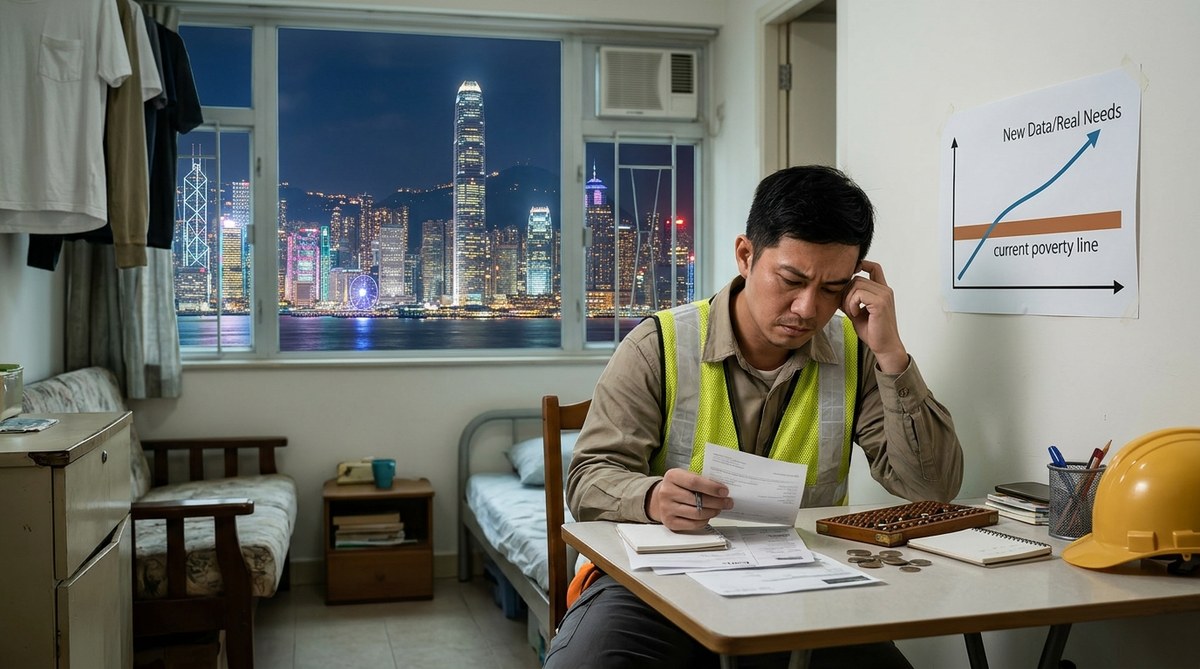
The current poverty line in Hong Kong hasn’t kept up with reality. It was designed to measure income, but it misses the full picture of what it means to struggle in one of the world’s most expensive cities. New data from 2026 shows that families who appear to be above the official threshold are still skipping meals, living in subdivided flats with mold, and avoiding doctor visits because of cost. The line itself has become a barrier to effective policy. If we keep measuring poverty the same way we did twenty years ago, we will keep missing the people who need help the most. That is why a major overhaul of the poverty line is not just a statistical exercise. It is a moral and practical necessity.
Hong Kong’s official poverty line relies on a single income threshold that ignores rising housing costs, healthcare expenses, and debt. New 2026 data shows that nearly 1 in 5 residents face hidden deprivation not captured by current metrics. A multidimensional overhaul would align Hong Kong with global best practices and reveal the true scale of need.
The Problem With a Single Income Number
Hong Kong currently defines poverty as earning less than 50% of the median household income. That sounds reasonable on paper. But here is the catch: the median income itself has been distorted by the city’s extreme wealth inequality. When the top 10% of earners pull the median upward, the poverty line rises too. This means a family can technically earn “enough” to be above the line while still being unable to afford basic necessities.
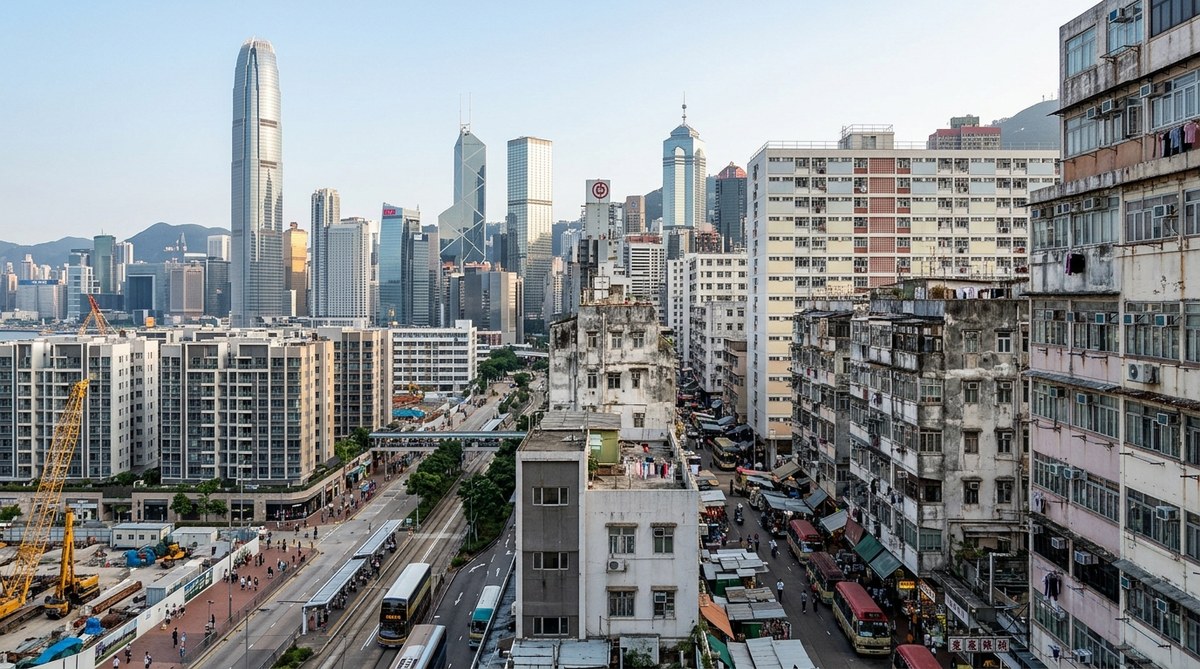
Consider this. A household of three earning HKD 3,500 per month in 2026 is officially above the poverty line. But after paying for a subdivided flat in Kowloon (which averages HKD 1,800 per month) and covering utilities and transportation, they have less than HKD 800 left for food, medicine, and everything else. That is not poverty by the numbers, but it is deprivation by any reasonable standard.
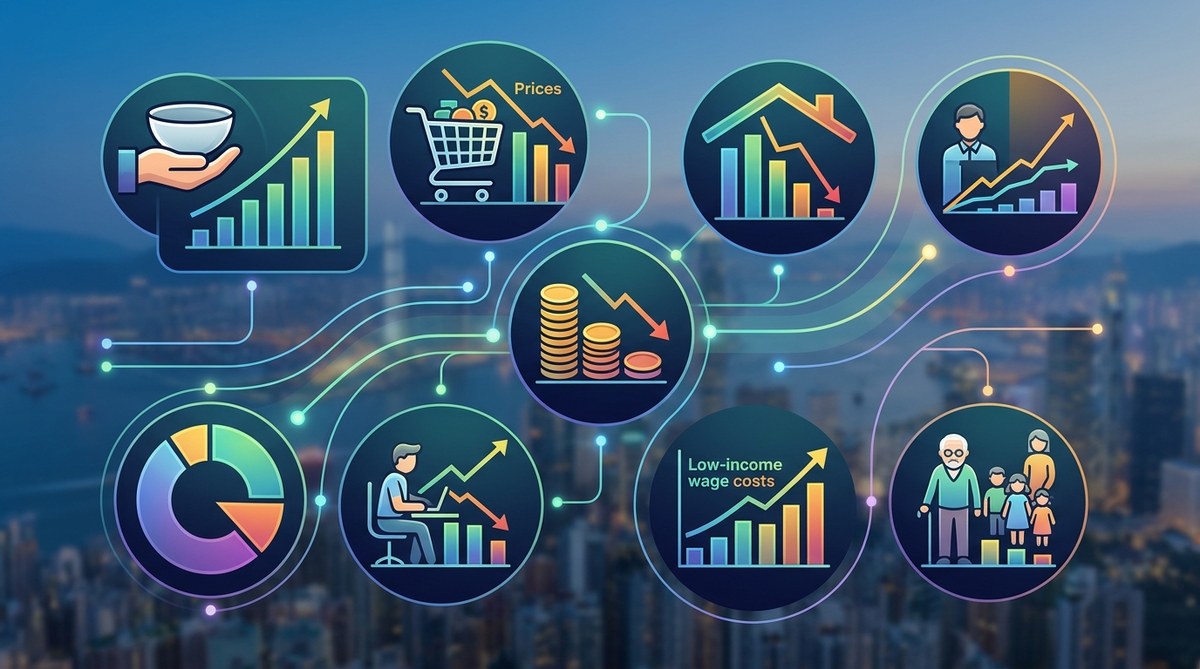
The gap between the official line and lived experience has grown wider each year. The shows that essential expenses have risen three times faster than wages for the bottom 40% of earners since 2010. Yet the poverty line barely moved in response.
What the 2026 Data Reveals
The latest wave of data from the Social Development Index paints a troubling picture. In 2026, over 18% of Hong Kong residents fall below the official poverty line. But when researchers applied a multidimensional poverty index that accounts for housing quality, healthcare access, education, and social isolation, that number jumped to nearly 31%.
Here are some of the hidden patterns the data uncovered:
- Families living in subdivided flats are three times more likely to experience hidden deprivation than those in public housing, even when their incomes are similar
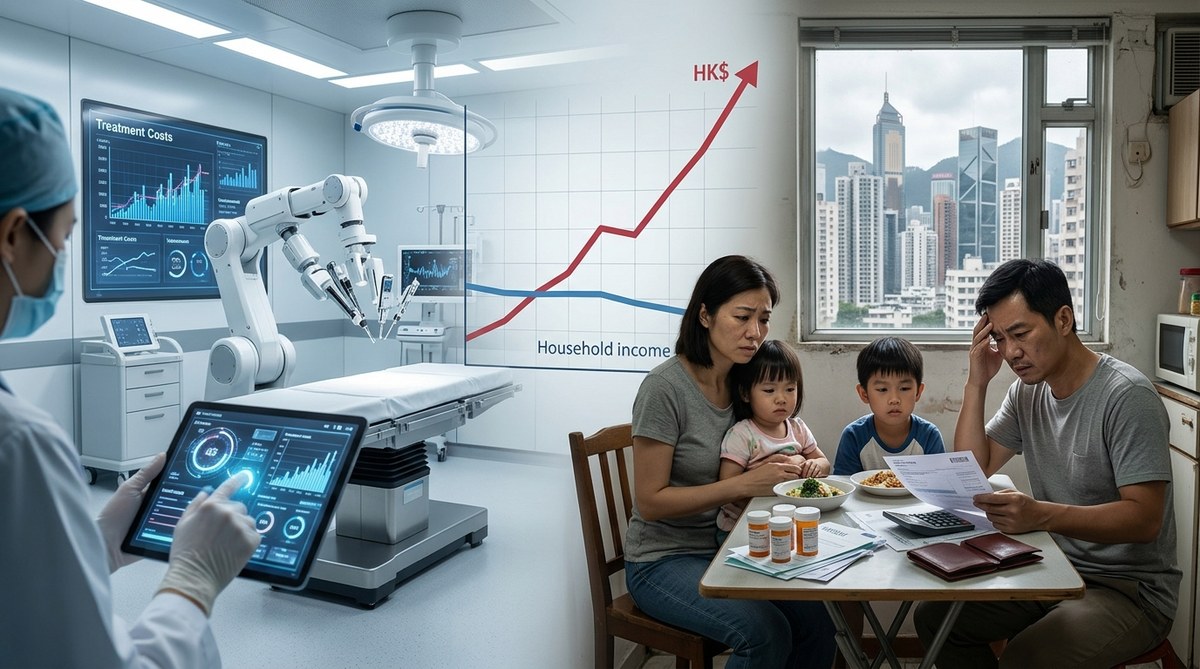
- One in four working adults in the bottom income quintile reported skipping medical treatment in the past year due to cost
- Households with a child under five face a poverty risk that is 40% higher than the general population, largely because childcare costs are not factored into the current line
- Elderly residents living alone represent the fastest growing segment of the “near poor” population just above the official threshold but unable to afford basic needs
These findings align with what social workers have been saying for years. The poverty line is not capturing the real struggles of Hong Kong families. For a deeper look at the specific indicators that matter, read our guide on
How Other Cities Measure Poverty Better
Hong Kong is not alone in facing this challenge. Several major cities have already moved beyond a simple income threshold. The table below compares different approaches and their strengths.
| Approach | How It Works | Strength | Weakness |
|---|---|---|---|
| Relative income line | 50% of median household income | Simple to calculate | Misses cost of living differences |
| Multidimensional poverty index | Combines income, health, education, and living standards | Captures real deprivation | Requires more data collection |
| Basic needs approach | Cost of minimum basket of goods (food, housing, transport) | Tied to actual expenses | Needs regular updating |
| Social inclusion threshold | Measures ability to participate in normal social activities | Reflects quality of life | Harder to standardize |
The multidimensional poverty index used by cities like New York and London offers the most complete picture. It asks not just “how much do you earn?” but also “can you afford to heat your home?” and “do you have access to medical care when you need it?” Those are the questions that reveal hidden deprivation.
The Case for a Multidimensional Overhaul
A poverty line overhaul in Hong Kong would mean adopting a framework that includes at least five dimensions:
- Income and debt: Not just monthly earnings, but also outstanding debt and financial vulnerability
- Housing adequacy: Quality of shelter, not just rent cost. This captures subdivided flats, mold, and overcrowding
- Healthcare access: Ability to afford treatment, medication, and preventive care
- Food security: Whether households can afford three nutritious meals a day
- Social participation: The ability to maintain basic social connections without financial strain
Each dimension would be weighted according to its impact on well being. A family that falls short on two or more dimensions would be classified as experiencing poverty, regardless of their income level.
This approach is not just more accurate. It is also more actionable. When a policy analyst sees that housing inadequacy is the top driver of hidden poverty, they know exactly where to focus reform efforts. The current system gives them a single number that tells them nothing about what to do next.
Common Mistakes in Poverty Measurement
Even well intentioned reforms can go wrong. Here are the most frequent errors that policy analysts and researchers should watch for.
| Mistake | Why It Happens | How to Avoid It |
|---|---|---|
| Using outdated cost data | Official statistics lag behind real price increases | Update the poverty line basket of goods annually |
| Ignoring household size differences | A flat line for all households misses economies of scale | Use equivalence scales that adjust for household composition |
| Excluding non cash income | Public housing subsidies and medical benefits are invisible | Count in kind benefits at their actual value to households |
| Focusing only on work income | Retirees and disabled residents are misclassified | Include pension and social assistance in the income calculation |
These mistakes are not theoretical. They are baked into Hong Kong’s current system. For example, the official poverty line does not account for the value of public housing subsidies. That means a family living in a rent controlled flat and a family paying market rent for the same income are treated identically. They are not living identical lives.
“The poverty line is not just a number. It is a statement about what a society considers unacceptable. When we set the threshold too low, we are effectively saying that certain forms of hardship are acceptable. That is a policy choice, not a statistical necessity.” Dr. Emily Ng, social policy researcher at the University of Hong Kong
A Practical Process for Updating the Poverty Line
For policy analysts and researchers who want to push for reform, here is a step by step process that can guide the effort.
-
Audit the current data sources. Identify which surveys and administrative datasets are available. Look for gaps in coverage of informal workers, migrants, and the elderly. Our https://socialindicators.org.hk/how-many-hong-kong-residents-live-in-poverty-breaking-down-the-latest-statistics-by-district-and-demographics/ provides a district level breakdown that can serve as a starting point.
-
Select the dimensions for a multidimensional index. Use the five dimensions listed above as a base. Test them against focus groups of low income residents to ensure they reflect real concerns.
-
Set thresholds for each dimension. For example, housing adequacy might be measured by square footage per person, presence of mold, and access to a private kitchen. Define what counts as “deprived” in each area.
-
Weight the dimensions. Not all hardships are equal. Healthcare deprivation may be more severe than a slight lack of social participation. Use statistical techniques like principal component analysis to determine weights, but also test them against expert judgment.
-
Pilot test the new index. Run it alongside the existing poverty line for one year. Compare the results and identify where they diverge. This builds evidence for the overhaul and allows for adjustments before full implementation.
-
Publish and advocate. Release the findings with clear visualizations and case studies. Show policymakers that the current system is leaving people behind. The offers strategies for communicating this data effectively.
Scanning for Early Warning Signs
Before a full overhaul is adopted, researchers and journalists can start scanning for hidden deprivation using these indicators:
- Number of households spending more than 40% of income on rent
- Percentage of residents who delayed medical care due to cost in the past six months
- Share of children living in households that report food insecurity
- Growth rate of personal debt among low income households
- Count of subdivided flat units by district
These five data points can be gathered from existing surveys and administrative records. They do not require a new census. Tracking them over time provides an early warning system for poverty that the official line simply cannot deliver.
What a New Poverty Line Would Mean for Policy
If Hong Kong adopts a multidimensional poverty index in 2026, the effects on policy would be immediate.
Social welfare eligibility would expand to include more families who are currently “above the line” but clearly struggling. Housing policy would shift from simply building more units to improving the quality of existing stock. Healthcare subsidies would be targeted at the hidden poor who are one medical bill away from financial disaster.
The https://socialindicators.org.hk/does-social-welfare-spending-reduce-poverty-analyzing-two-decades-of-evidence/ shows that current spending is poorly targeted because it relies on the wrong metric. A better poverty line would mean every dollar spent on social welfare goes further.
For journalists covering this issue, the story is not just about a technical adjustment. It is about the thousands of families who are working hard, staying above the official line, and still struggling to survive. The data is there. The question is whether the system will catch up to it.
Building a Movement for Accurate Measurement
The push for a poverty line overhaul cannot be led by statisticians alone. It needs policy analysts to frame the argument, social researchers to gather the evidence, and journalists to tell the human stories behind the numbers.
Start by sharing the 2026 data with your networks. Point out the gap between the official poverty rate and the multidimensional rate. Ask your local representatives why the system has not been updated.
The shows that Hong Kong has the data infrastructure to support a better measure. What is missing is the political will to use it.
What a Better Measure Looks Like in Practice
Let us walk through a concrete example. A single mother in Sham Shui Po earns HKD 3,800 per month. She works part time at a retail store. Under the current poverty line, she is not officially poor. But here is what her life actually looks like:
- She pays HKD 2,000 for a subdivided flat with no windows and a shared toilet
- Her monthly utilities cost HKD 400
- She spends HKD 300 on transportation to get to work
- That leaves HKD 1,100 for food, medicine, school supplies, and anything else
- She has no savings and HKD 2,000 in credit card debt
Under a multidimensional index, she would be classified as deprived in housing, healthcare (she has not seen a doctor in two years), and social participation (she cannot afford to meet friends or take her child to any activities). The current system says she is fine. The new system would say she needs help.
That is the difference a poverty line overhaul makes. It turns invisible struggle into visible need.
The Path Forward for Hong Kong
Hong Kong has always prided itself on being a data driven city. The Census and Statistics Department produces world class surveys. The Social Development Index has tracked well being for over two decades. The raw materials for a better poverty measure are already in place.
What is needed now is the decision to use them. To move from a single income number to a multidimensional framework that reflects the real cost of living in 2026. To acknowledge that a family can earn “enough” and still not have enough.
The explains why GDP growth and median income tell us so little about the struggles of ordinary families. The same logic applies to the poverty line. It is time to build a measure that matches the complexity of the problem.
A Call to Use the Data You Already Have
If you are a policy analyst, social researcher, or journalist reading this, you already have access to the tools you need. The Census data, the Household Expenditure Survey, and the Social Development Index reports are all publicly available. You can start today by pulling the data for your district and comparing the official poverty rate with a simple multidimensional screen.
Ask yourself: who is missing from the official count? Which families are struggling but invisible? The answers are there, waiting to be uncovered.
That is the work we do at Social Indicators of Hong Kong. We provide the accessible statistical data that makes this analysis possible. We monitor the Social Development Index to track changes over time. And we believe that better data leads to better policy.
The poverty line overhaul is not just a technical fix. It is a chance to realign Hong Kong’s social welfare system with the real needs of its people. The data is clear. The path is clear. The only question left is whether we choose to walk it.

Post Comment